— A glimpse of Bosnia & Herzegovina —
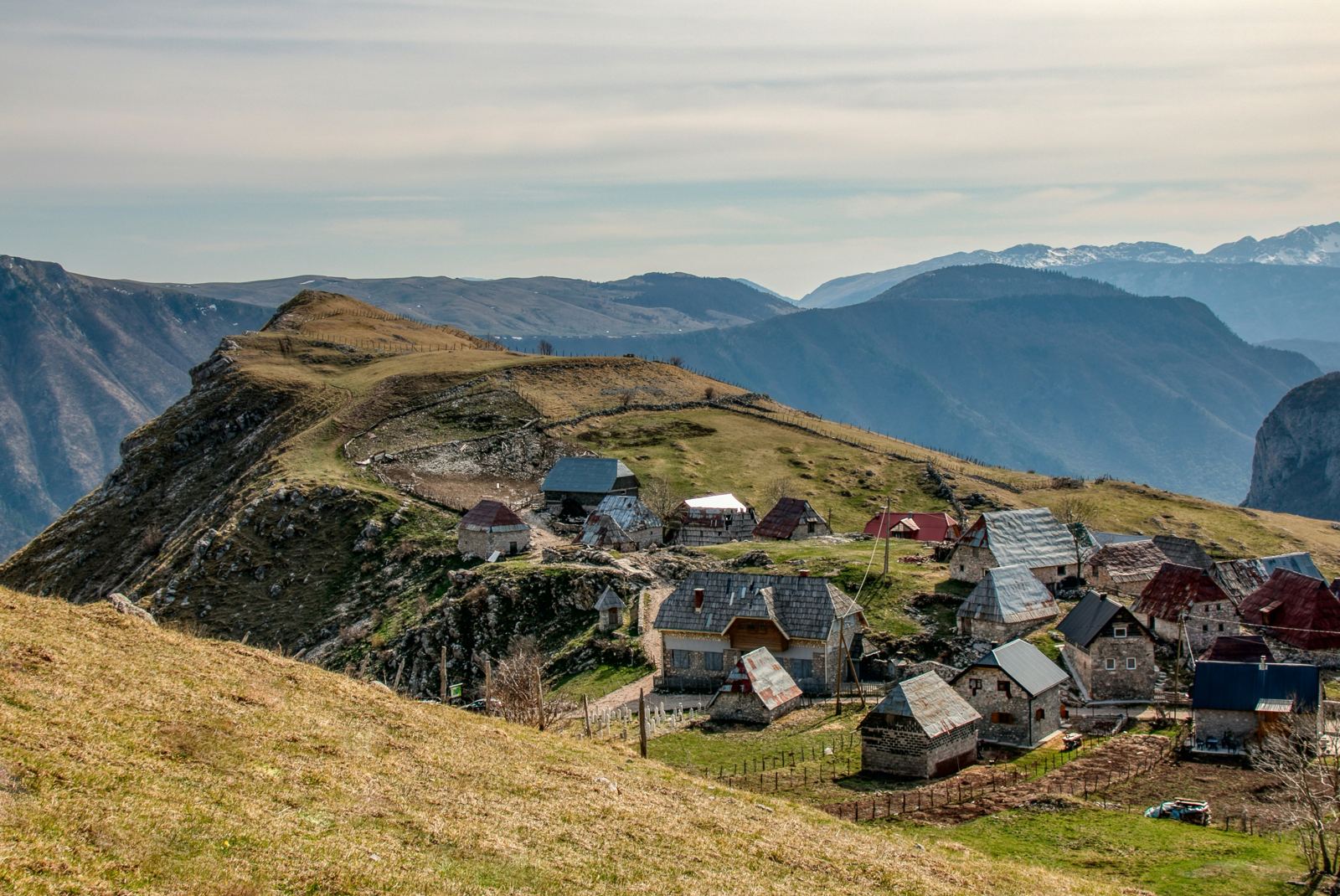
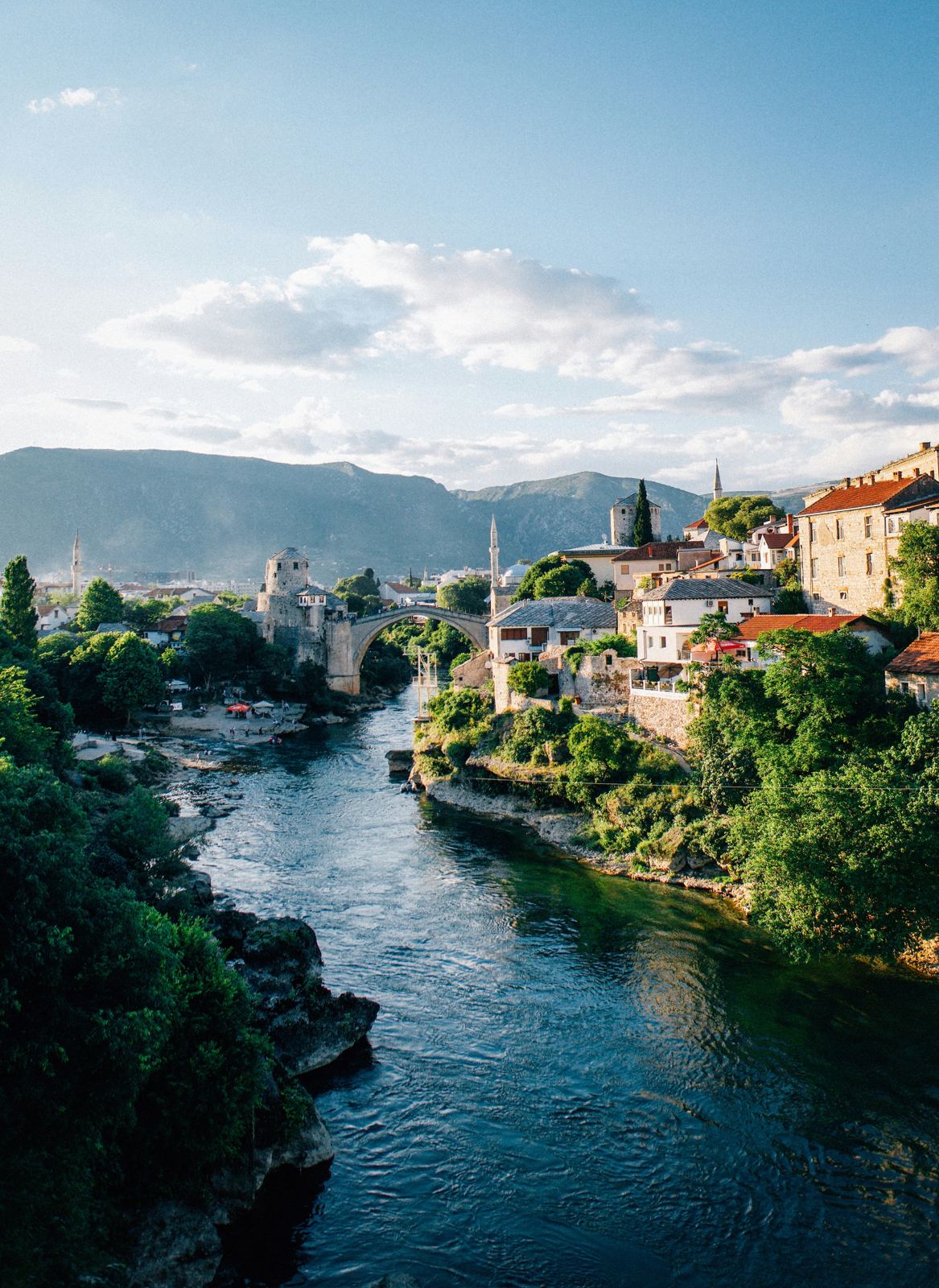
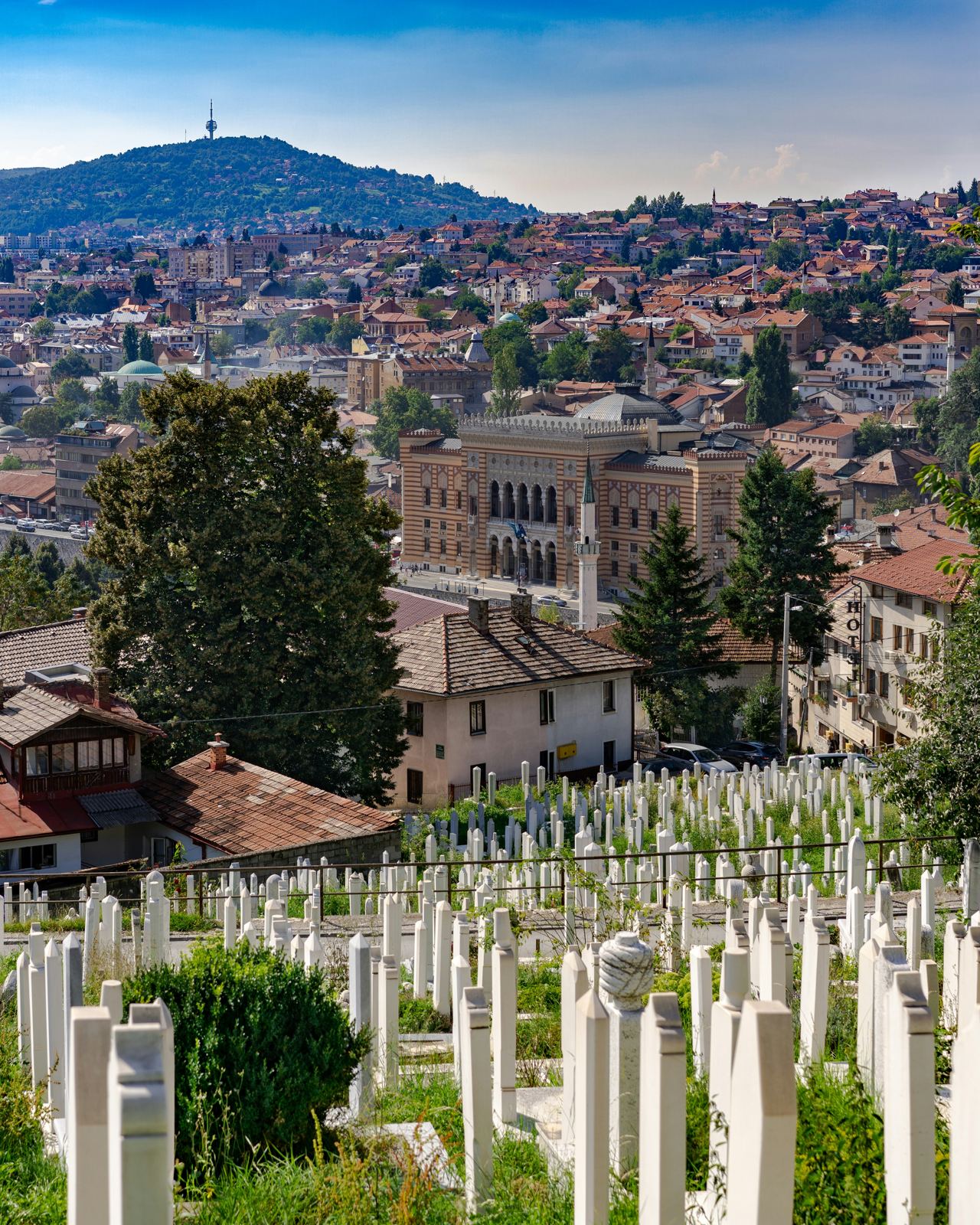
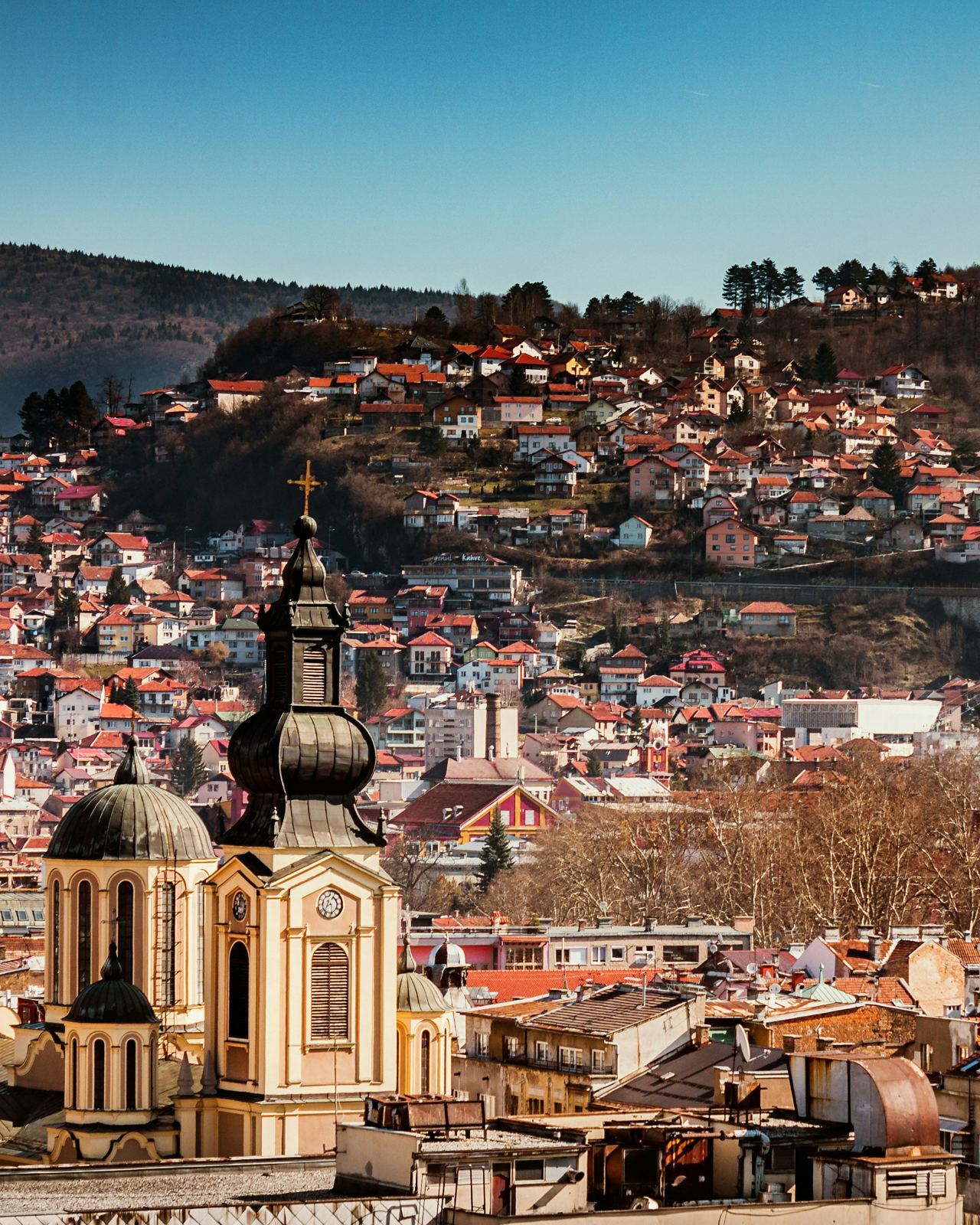
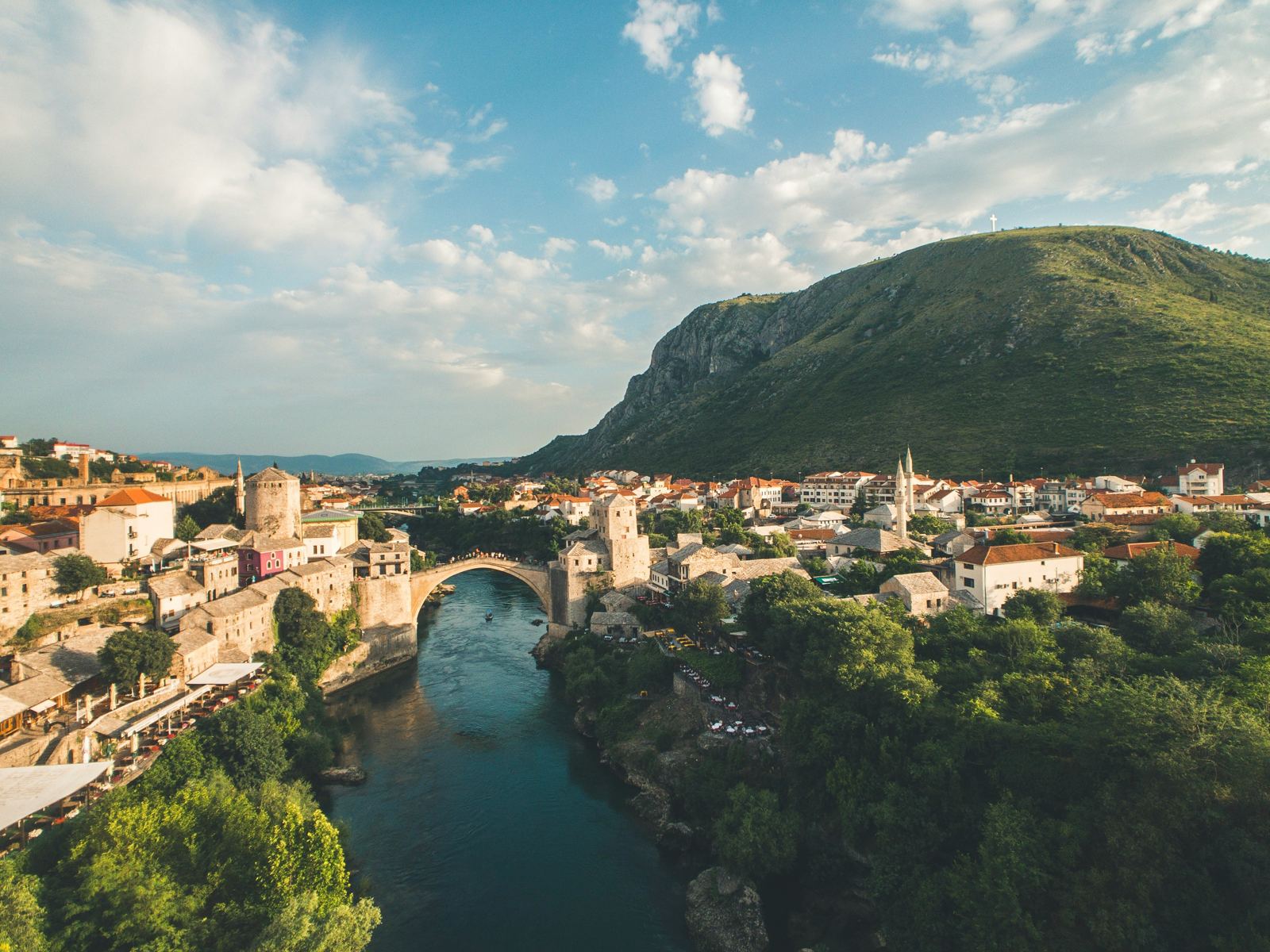
Photographs from Unsplash, used under the Unsplash License.
Europe's overlooked Muslim heartland — Ottoman heritage, mild climate, low taxes, and almost no one paying attention.
Photographs from Unsplash, used under the Unsplash License.
Europe's indigenous Muslim heritage. Bosniaks — the Slavic-Muslim population — have practiced Islam in the heart of Europe for 500+ years since the Ottoman period. Sarajevo and Mostar are filled with Ottoman-era mosques, often beside churches.
Bosnia is Sunni Hanafi. After the 1990s war, religious revival has been strong; younger generations more practicing than the Yugoslav-era parents. Adhan rings clearly in Muslim-majority areas — Sarajevo, Tuzla, Zenica, Bihać, Mostar.
The atmosphere is European-Muslim — hijab common in Sarajevo without being universal, halal expanding. Islam practiced under Alpine mountains, with Turkish coffee culture intact.
Not in EU but pursuing membership. Bosnian citizenship offers visa-free access to ~120 countries.
Bosnia offers a realistic, if slow, path to European Muslim citizenship. The standard residency-based route: 5 years of temporary residency (renewed annually) → permanent residency → after 3 more years on PR (so ~8 years total), apply for citizenship.
Requirements: Bosnian language proficiency at A2/B1 level, clean record, demonstrated integration, and stable income. Bosnia permits dual citizenship only with countries it has a bilateral agreement with — currently Serbia, Croatia and Sweden; applicants from other countries are usually required to renounce their existing citizenship (exceptions apply where renunciation is impossible).
Bosnia is not in the EU but is a candidate country. Citizenship offers visa-free access to ~120 countries and a foothold in Muslim Europe. Realistic for families willing to commit a decade and learn the language.
One of Europe's lowest-tax jurisdictions.
| Tax | Rate |
|---|---|
| Personal Income Tax | 10% flat (8% in Republika Srpska) |
| Corporate Tax | 10% flat |
| VAT | 17% |
| Capital Gains | 10% |
Social security contributions heavier (~30–40% on local salaries), but for remote-income earners and business owners, the 10% rate is exceptional.
| From | Round-Trip Economy (avg) | Flight Time |
|---|---|---|
| New York | $700 – $950 | 1 stop (~10–12h total) |
| London | $180 – $350 | ~2h45 direct (Wizz Air, Ryanair) |
| Frankfurt | $130 – $250 | ~2h direct (Lufthansa) |
Sarajevo (SJJ) and Tuzla (TZL). Tuzla is a Wizz Air regional hub — very cheap European connections.
Foreigners can own property based on reciprocity. US, UK, EU, Türkiye, GCC: generally yes. Some agricultural restrictions.
| Property | Sarajevo | Mostar / Tuzla | Smaller towns |
|---|---|---|---|
| 2BR Apartment | $100K – $220K | $60K – $140K | $30K – $80K |
| House | $120K – $350K | $70K – $200K | $40K – $130K |
| 2BR Rent / month | $450 – $1,000 | $250 – $550 | $150 – $400 |
Sarajevo prices rose significantly as Gulf and Turkish investors arrived. Verify titles carefully — wartime displacement created some complicated histories.
Where you settle within a country matters as much as the country itself. Each city has its own pace, religious texture, expat density, and cost.
The capital. Ottoman-Habsburg mix, Baščaršija old town, mountains surround the city, biggest Muslim cultural scene.
Famous Old Bridge, deeply atmospheric, smaller and warmer than Sarajevo, mixed Muslim-Croat population.
Northeast city, university town, more affordable, growing manufacturing, Wizz Air hub.
Northwestern town, near Croatia border, river setting, conservative-Muslim character.
Industrial central Bosnia, ~85% Muslim, working-class character, near beautiful mountains.
The websites Muslims and locals actually use to buy, rent, and browse. Beware foreigner-targeted brokerages — local-language portals usually show truer market prices.
Federation of BiH and Republika Srpska have somewhat different procedures. Sarajevo (FBiH) is the typical jurisdiction. Banking is straightforward; flat 10% corporate tax is the key advantage.
Local salaries modest (~$600–1,500/month for skilled work) but cost of living is among Europe's lowest. Best for: remote workers, business owners, retirees, Muslim families seeking European life at low cost.
Common among Bosnians under 40, particularly in Sarajevo. Older generations more often speak German, Italian, or Turkish as second language.
For tourism and core services, English works. For deep integration — government paperwork, real estate, schooling — Bosnian/Croatian/Serbian is needed. Bosniak vocabulary has many Turkish and Arabic loanwords.
| School Type | Typical Fees (annual) |
|---|---|
| QSI International School of Sarajevo | $8,000 – $15,000 |
| French International School | $6,000 – $12,000 |
| Sarajevo College (bilingual) | $3,000 – $8,000 |
| Public schools (with optional Islamic education) | Free |
| Madrasahs (Gazi Husrev-beg) | Free or minimal — Islamic education track |
Universities: University of Sarajevo, International University of Sarajevo (English-language), International Burch University. Faculty of Islamic Studies in Sarajevo trains imams and scholars.
Bosnian cuisine is Ottoman-Balkan — burek from the corner bakery before 8am, slow-cooked stews, trout from cold mountain rivers, and a Turkish coffee culture that has become more Bosnian than it ever was Turkish. Halal is the default in Bosniak-majority cities; Sarajevo's old city and čaršija operate almost entirely within it.
Meals are unhurried here — the coffee after takes as long as the food. A full Bosnian sit-down costs €5–12; burek and a coffee runs €2–3. Kafanas (traditional restaurants) are the social institution. Halal is universal in Bosniak-majority areas; some tourist-zone restaurants serve alcohol alongside.
Herzegovina — Mostar and south — favours the grill and benefits from a local wine-growing tradition; for the full Ottoman table experience, Sarajevo's Baščaršija is unsurpassed.
Compare it side-by-side with other destinations, or read about a different country before deciding.