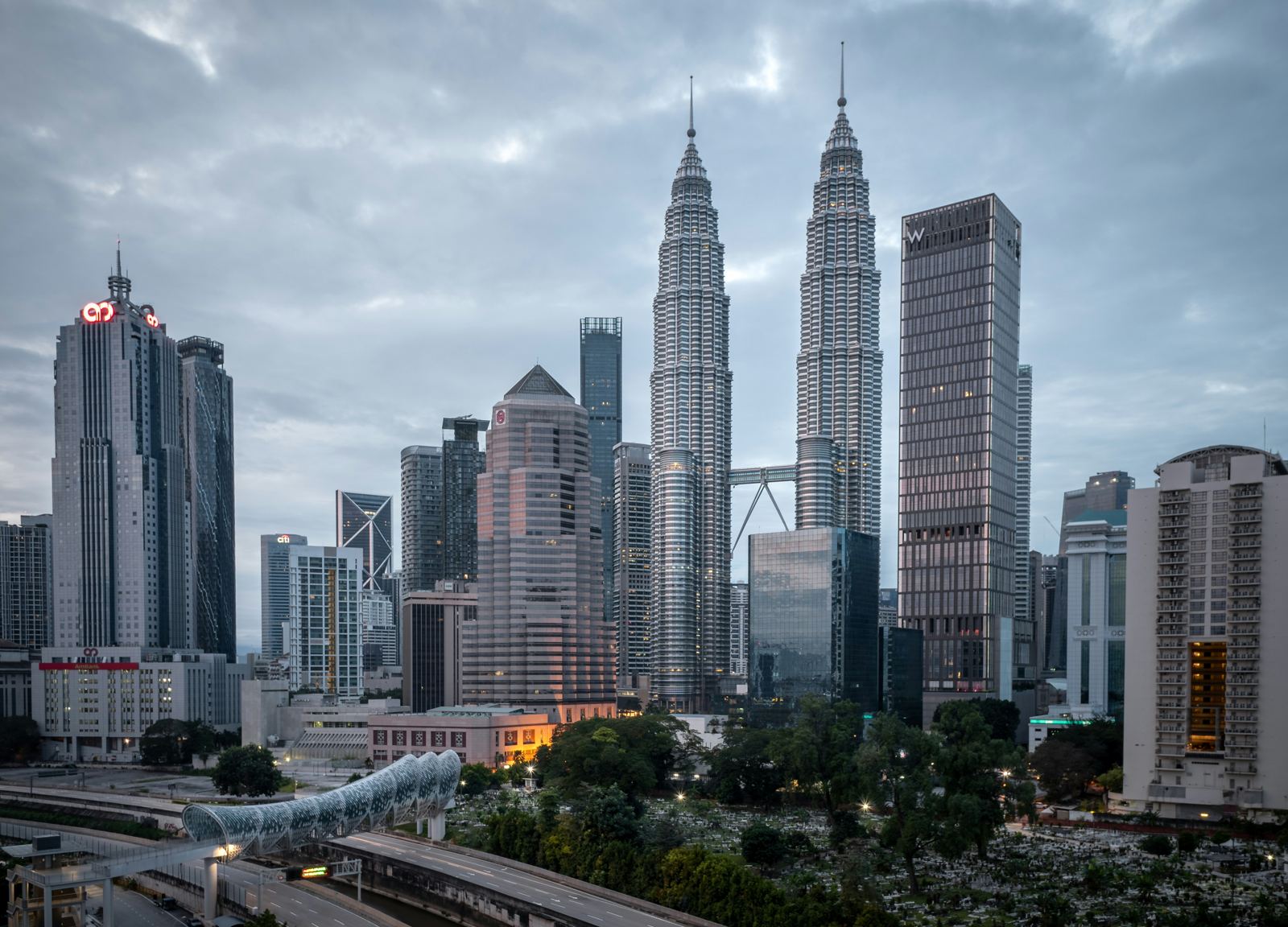
— A glimpse of Indonesia —
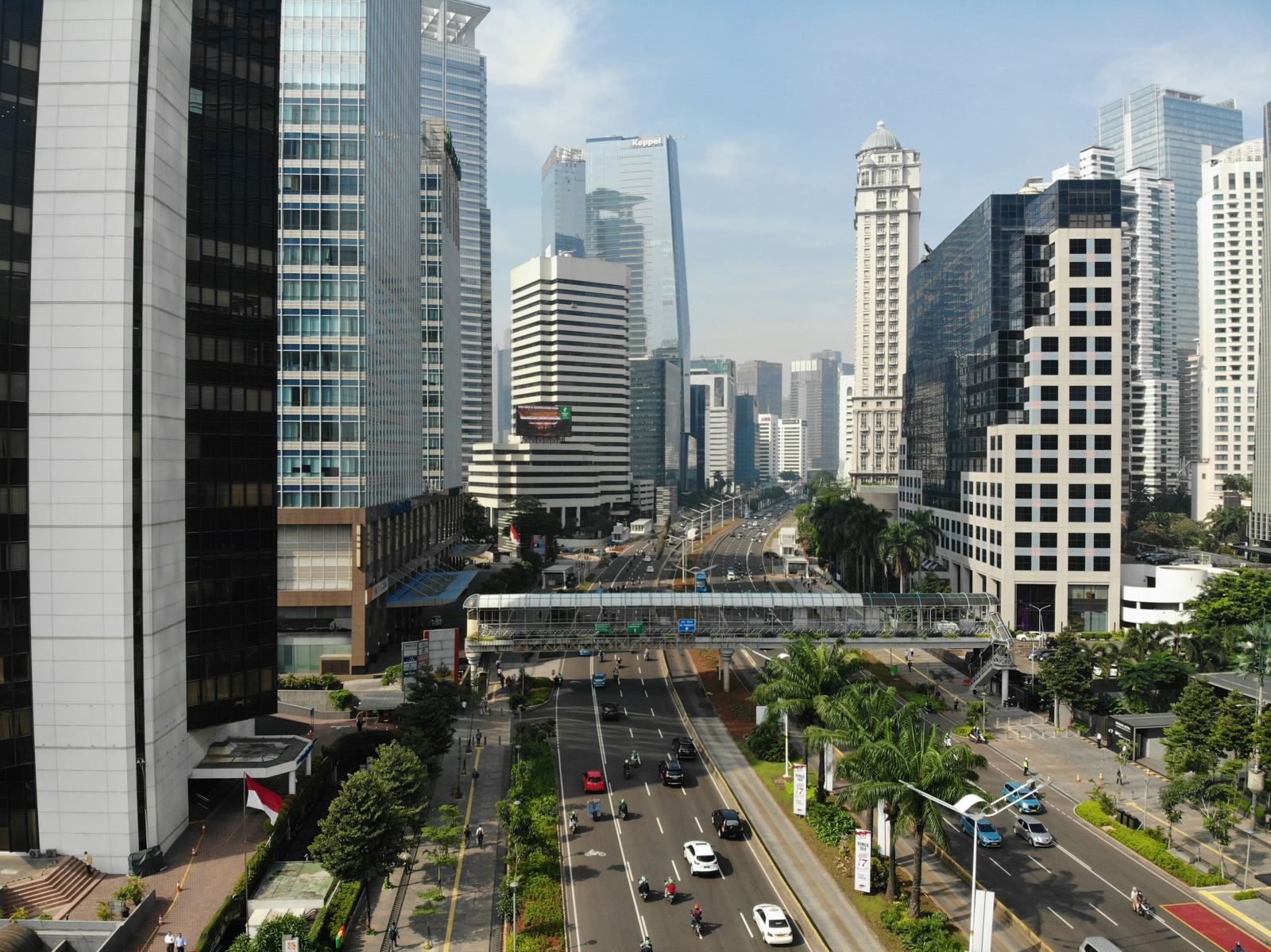

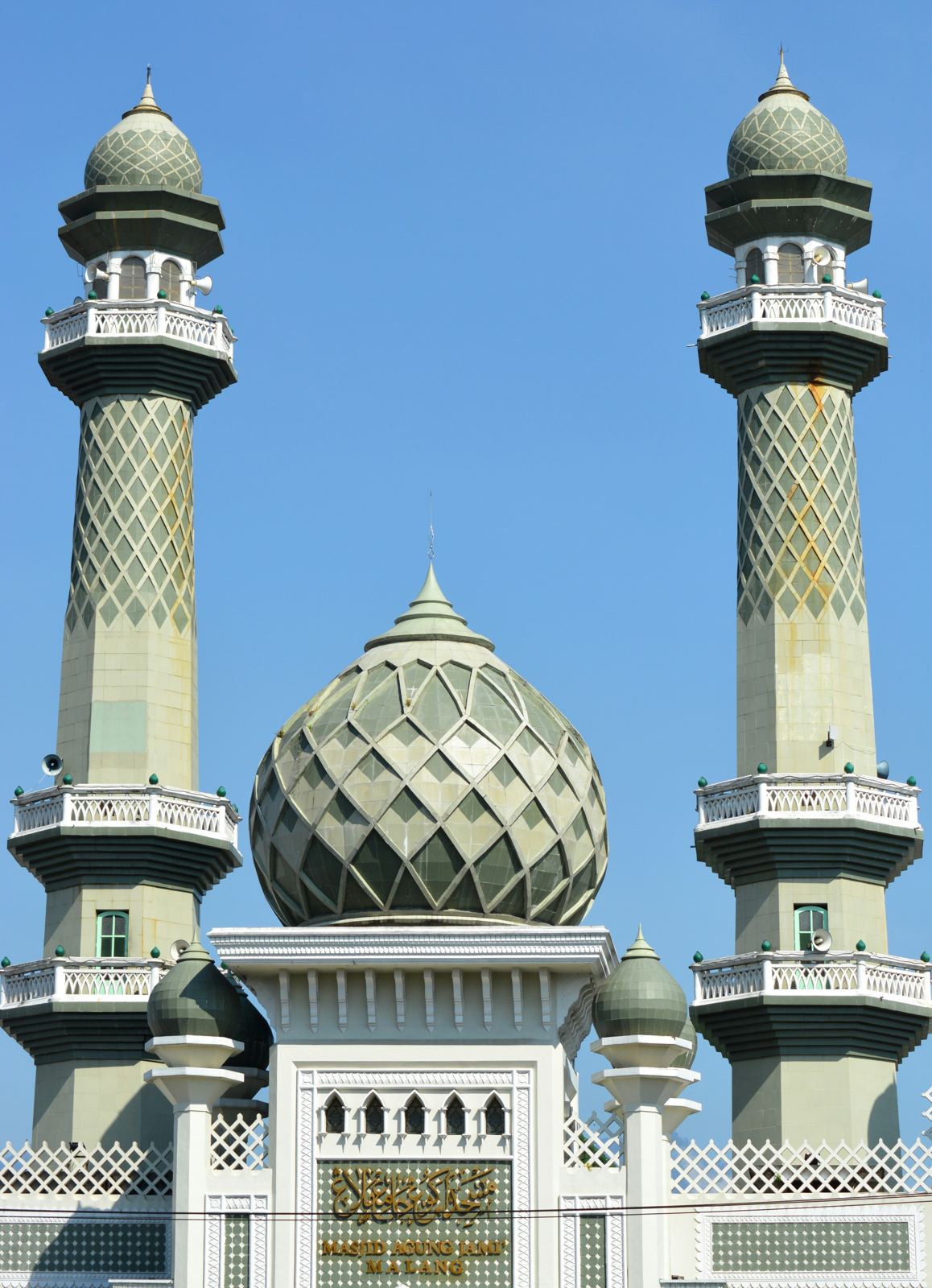
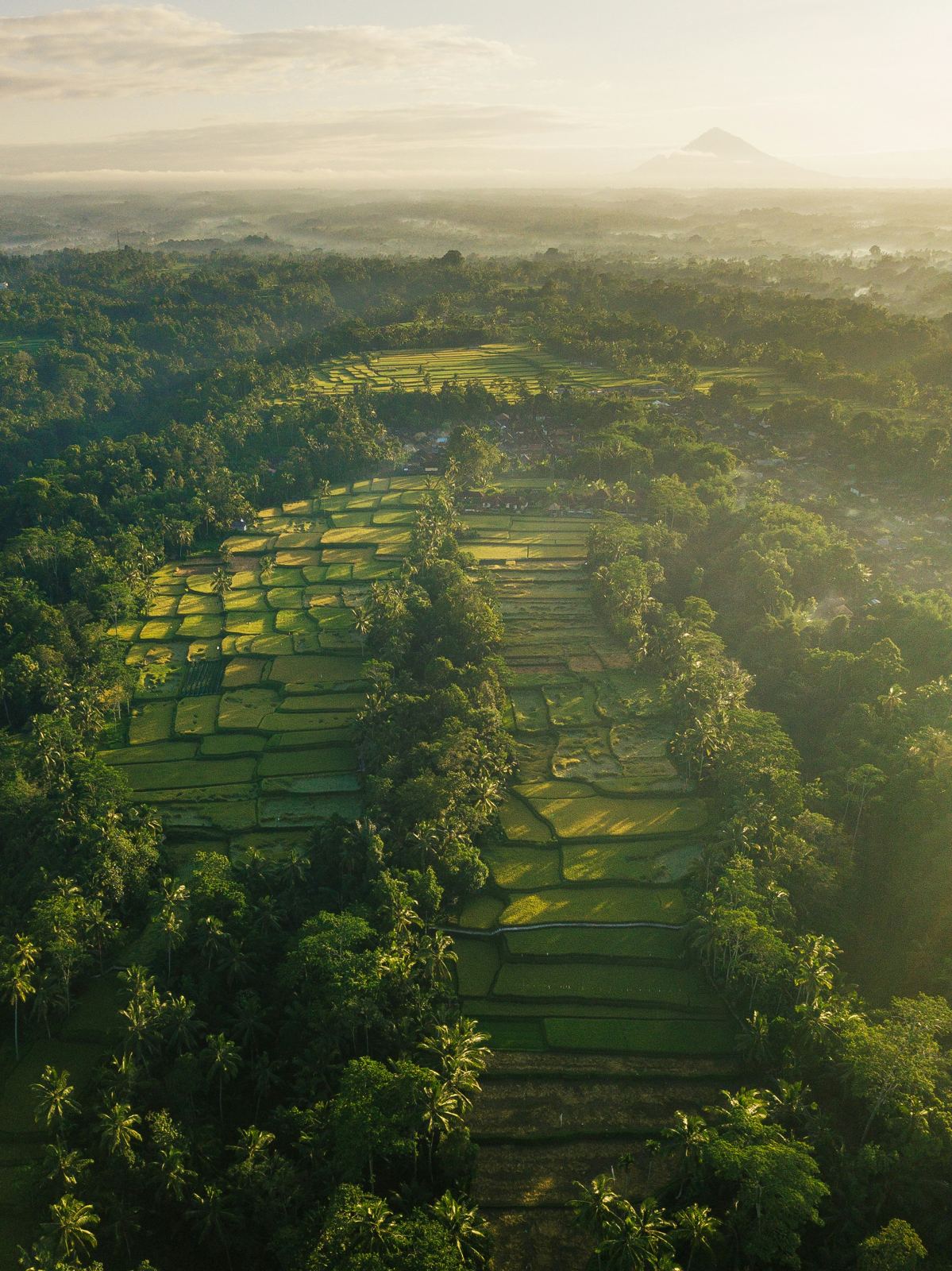
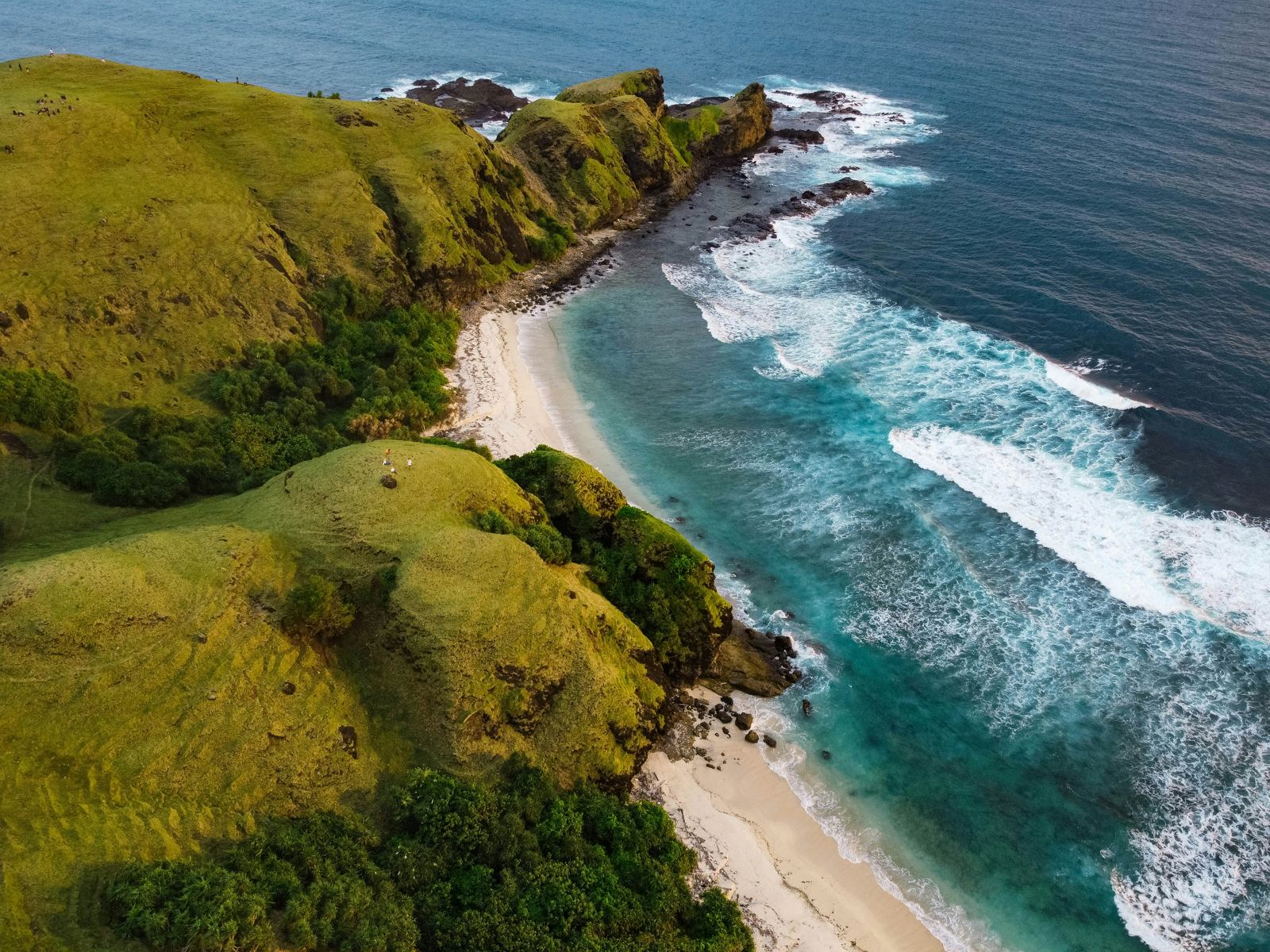
Photographs from Unsplash, used under the Unsplash License.
Home to more Muslims than any country on earth — vast, varied, warm in every sense.
Photographs from Unsplash, used under the Unsplash License.
Home to the world's largest Muslim population (~245 million). Islam in Indonesia is overwhelmingly Sunni Shafi'i, with two giant moderate organizations — Nahdlatul Ulama (~90M members) and Muhammadiyah (~30M) — shaping mainstream religious life.
Adhan rings from countless mosques; halal is the default for most food; Ramadan and Eid are major national events. Hijab common but not universal — varying by region. Aceh province operates under Sharia law; Bali is Hindu-majority.
Religious life is warm, community-focused, culturally rich — gamelan-accented dhikr, calligraphic Javanese mosques, deep Sufi traditions. Feels indigenous and inviting rather than imported.
Permanent residency (KITAP) after roughly 3–5 consecutive years on KITAS, depending on category. Citizenship after 5 consecutive (or 10 non-consecutive) years but requires renouncing prior nationality.
Indonesian citizenship requires 5 consecutive years (or 10 non-consecutive) of legal residence, Bahasa Indonesia proficiency, basic knowledge of Pancasila (state ideology), good character, and — strictly — renunciation of all other citizenships. Indonesia does not permit dual nationality for adults.
The single-citizenship requirement is the dealbreaker for most Western Muslims, since giving up a US/UK/EU passport is rarely a sound trade. Naturalization is also discretionary; approval is not guaranteed even when all criteria are met.
The realistic long-term path is KITAS → KITAP (permanent residency, after roughly 3–5 consecutive years on KITAS, depending on category), which provides stable life and property rights via Hak Pakai. Most Western Muslims who 'move to Indonesia' live on long-term residency, not citizenship.
| Tax | Rate |
|---|---|
| Personal Income Tax | 5% – 35% progressive |
| Corporate Tax | 22% |
| VAT | 12% statutory since 2025, but effectively 11% on everything except luxury goods |
| Foreign-Source Income (new residents) | 4-year exemption under conditions |
Tax residency: 183+ days. 2021 law allows experts and skilled workers Indonesian-source-only taxation for 4 years.
| From | Round-Trip Economy (avg) | Flight Time |
|---|---|---|
| New York | $1,100 – $1,500 | 1 stop (~22h total) |
| London | $750 – $1,000 | ~16h with 1 stop (Garuda, Qatar, Emirates) |
| Frankfurt | $700 – $950 | ~15h with 1 stop |
Garuda Indonesia is flag carrier. Best connections via Singapore, Doha, or Dubai.
Foreigners cannot own freehold land. Three legal paths: Hak Pakai (right-to-use, 80 years for residents), HGB (right-to-build, via Indonesian company PT PMA), or nominee structures (legally risky, avoid). Strata-titled apartments above price thresholds can be owned under Hak Pakai.
| Property | Jakarta | Bali | Yogyakarta / Surabaya |
|---|---|---|---|
| 2BR Apartment | $80K – $250K | $120K – $350K (leasehold) | $50K – $150K |
| House / Villa | $150K – $500K | $180K – $1M+ | $80K – $300K |
| 2BR Rent / month | $400 – $1,200 | $500 – $2,000 | $250 – $700 |
Strongly recommend a qualified Indonesian notaris and legal due diligence.
Where you settle within a country matters as much as the country itself. Each city has its own pace, religious texture, expat density, and cost.
The capital (until Nusantara takes over, targeted 2028) and economic powerhouse. Huge, congested, vibrant, the main job market.
Cultural and educational heart of Java. Laid-back, affordable, university town, deep Javanese-Islamic heritage.
Cooler highland city, university hub, fashion industry, popular weekend escape from Jakarta.
Hindu-majority island with large expat community. Stunning nature, digital nomad hub, less Islamic feel.
Indonesia's 2nd largest city. Industrial, working-class, less expat presence, more authentic.
The only province under Sharia law. Devout, conservative, deeply Islamic culture.
The websites Muslims and locals actually use to buy, rent, and browse. Beware foreigner-targeted brokerages — local-language portals usually show truer market prices.
The IDR 10B investment threshold is the main friction. OSS (Online Single Submission) has streamlined paperwork.
Local hires preferred; expats fill specialist gaps. Best for entrepreneurs, remote workers, retirees.
English common in Jakarta's corporate sector, Bali's expat zones, top universities, international schools.
Outside these enclaves, English drops sharply. Daily life requires basic Bahasa Indonesia (one of the world's easier languages — no tones, Latin script, simple grammar).
| School Type | Typical Fees (annual) |
|---|---|
| International (JIS, BSJ, ACG) | $15,000 – $36,000 |
| British / IB / Australian | $8,000 – $25,000 |
| National Plus (bilingual) | $3,000 – $10,000 |
| Islamic boarding (pesantren) — international tier | $2,000 – $6,000 |
| Standard Indonesian schools | Very low / free public |
Universities: Universitas Indonesia, ITB, Gadjah Mada, Bina Nusantara. Strong Islamic university network (UIN, IAIN).
Indonesian cuisine is one of the world's most varied — 17,000 islands, hundreds of ethnic groups, each with its own kitchen language built on spice pastes (bumbu), slow braising, and chilli heat. The meal is almost always rice with multiple small surrounding dishes. Halal is the default for the Muslim majority (87%) and the MUI certification mark is widely displayed; pork dishes exist in Balinese and Chinese-Indonesian contexts but are entirely separate.
Warung (small food stalls) and kaki lima carts make Indonesia one of the world's most affordable eating destinations — $1–3 for a complete local meal. Restaurant dining runs $5–20. Halal is the default across Java, Sumatra, and most of the archipelago; look for the MUI Halal logo for formal certification. Ramadan transforms cities with takjil bazaars — night markets selling food to break the fast.
Padang (West Sumatra) produces the most complex cuisine in the country — the Padang restaurant, where dozens of dishes are displayed in the window, is the Indonesian national institution.
Compare it side-by-side with other destinations, or read about a different country before deciding.