— A glimpse of Jordan —
Photographs from Unsplash, used under the Unsplash License.
Stable, English-friendly, classically Levantine — the most accessible window into Arab Islamic culture.
Photographs from Unsplash, used under the Unsplash License.
Warm, classical Levantine Islam. Adhan from Ottoman and modern mosques, halal default, modest dress respected without being enforced. Jordan is ~95% Sunni Muslim (Shafi'i and Hanafi predominant), with a small Christian minority that has historically lived peacefully alongside.
Hashemite kings claim direct descent from the Prophet ﷺ; the monarchy combines religious legitimacy with political moderation. Public life openly Muslim but socially diverse — hijab common but not universal.
The Royal Aal al-Bayt Institute supports world-class Islamic scholarship.
Naturalization without investment is difficult; typically requires Arab ancestry or marriage.
Jordan's standard naturalization path is restrictive — requiring 4 years of residency for non-Arabs (15 years for Arabs, though the Cabinet may waive this), Arabic proficiency, integration, and discretionary approval that is often very limited in practice. Successful naturalizations of unrelated foreigners are uncommon.
The realistic faster route is Citizenship by Investment, which since July 2025 requires active investment: a business with at least JOD 500,000 (~$705K) of capital creating 10+ Jordanian jobs outside Amman (JOD 700,000 and 20 jobs in Amman), or JOD 1 million in Jordanian shares held for 3 years. The old passive deposit and bond routes were abolished. This is significant capital but is one of the few CBI programs in the Arab world.
Jordan generally permits dual citizenship, though some restrictions apply for public roles. The Jordanian passport offers solid Arab-world mobility and a stable Hashemite Muslim identity.
| Tax | Rate |
|---|---|
| Personal Income Tax | 5% – 30% progressive |
| National Contribution Tax | 1% (incomes over JOD 200K) |
| Corporate Tax | 20% (general); 35% (banks) |
| General Sales Tax | 16% |
| Capital Gains (most) | 0% |
Tax residency: 183+ days. Significant exemptions for certain types of foreign income.
| From | Round-Trip Economy (avg) | Flight Time |
|---|---|---|
| New York | $800 – $1,100 | ~10h direct (Royal Jordanian) |
| London | $350 – $550 | ~5h direct |
| Frankfurt | $300 – $500 | ~4.5h direct |
Royal Jordanian (oneworld alliance) is the flag carrier.
Foreigners can purchase property with Council of Ministers approval (largely procedural).
| Property | West Amman | East Amman | Aqaba / Madaba |
|---|---|---|---|
| 2BR Apartment | $120K – $250K | $60K – $120K | $80K – $200K |
| House / Villa | $250K – $800K | $120K – $300K | $150K – $500K |
| 2BR Rent / month | $600 – $1,400 | $300 – $700 | $400 – $900 |
West Amman (Abdoun, Sweifieh, Dabouq, Khalda) is the upscale expat zone.
Where you settle within a country matters as much as the country itself. Each city has its own pace, religious texture, expat density, and cost.
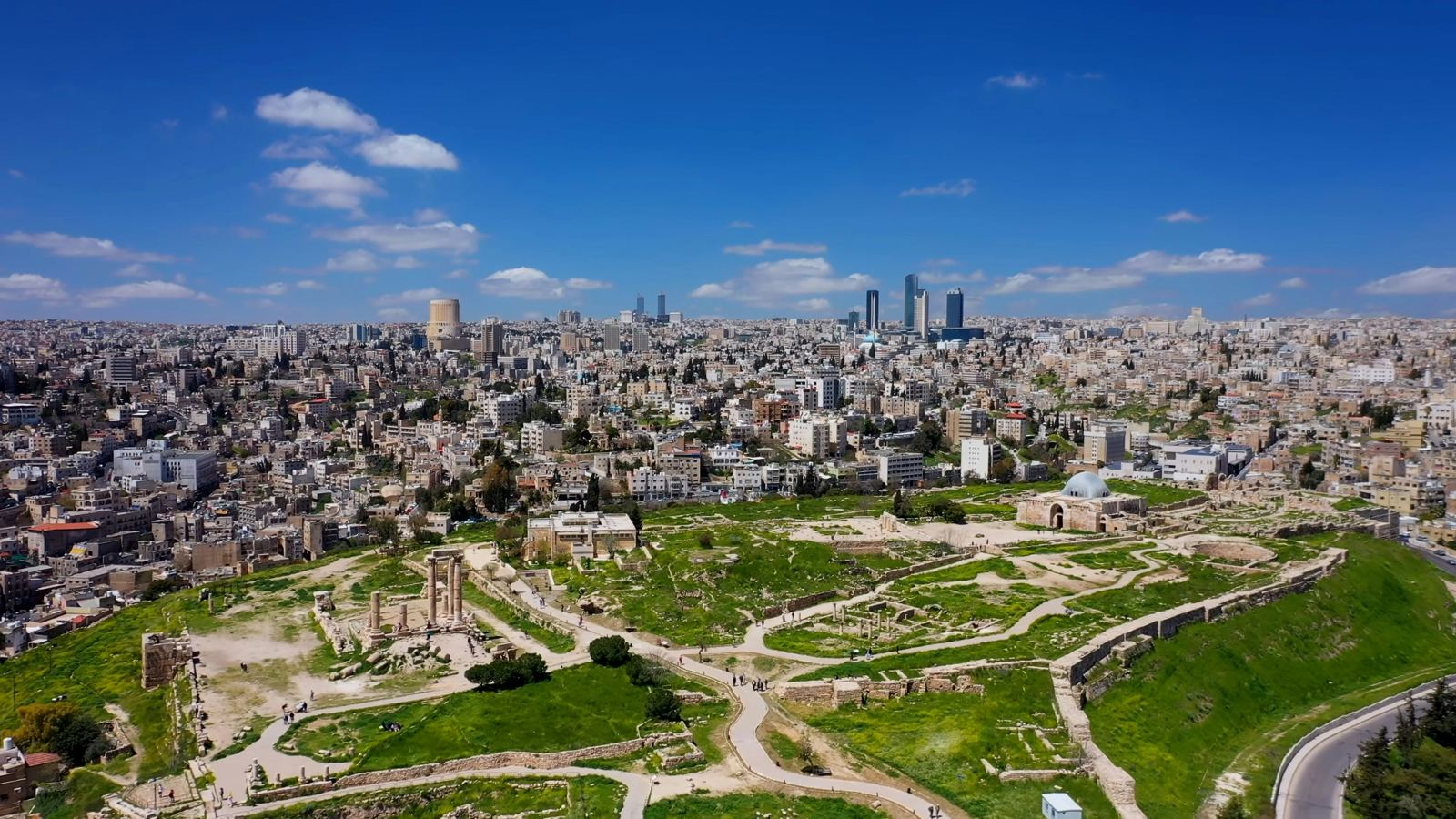
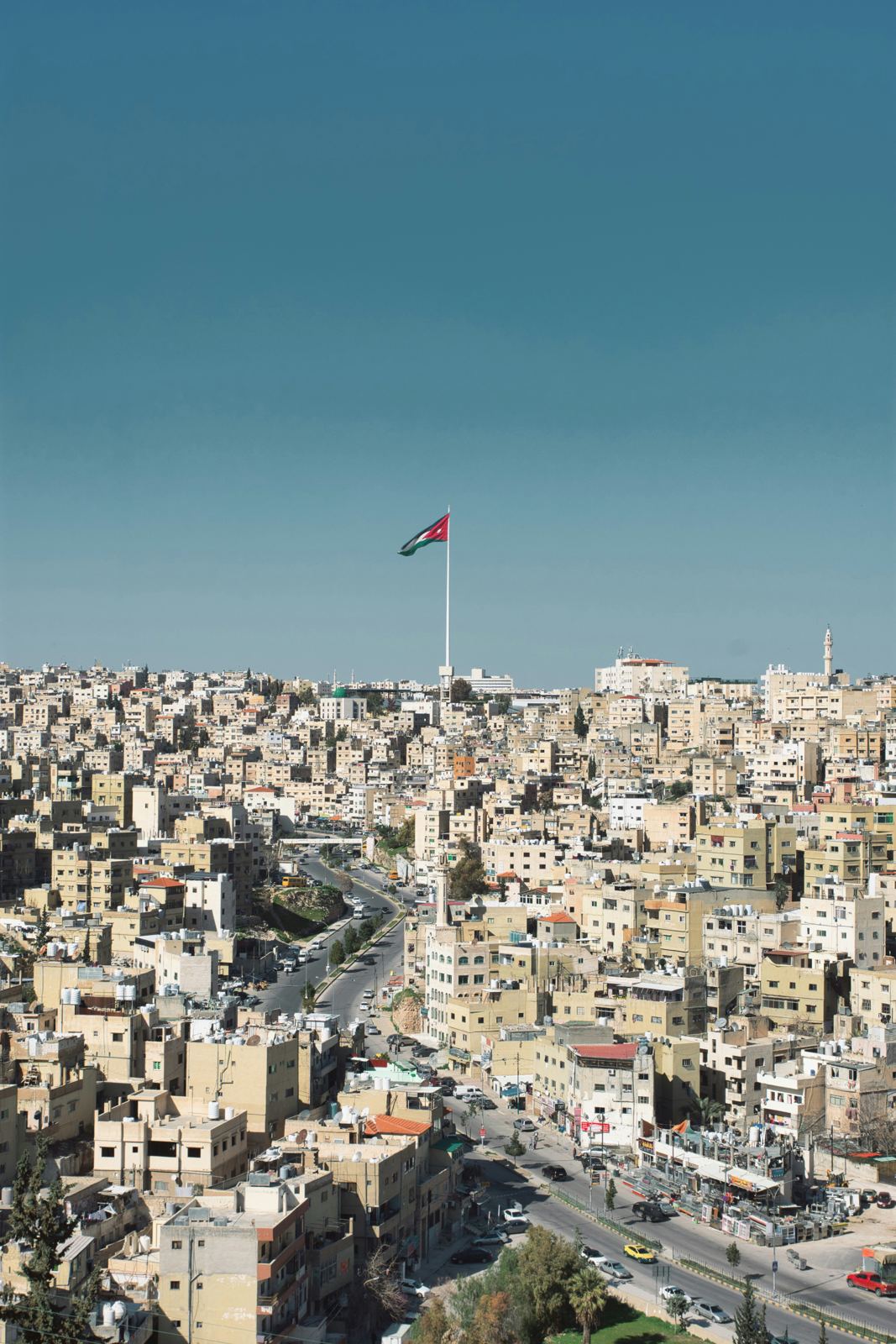
Most expats live here. Hills, stone architecture, divided into Eastern (traditional) and Western (modern) halves.
Red Sea port. Special Economic Zone with tax benefits, beaches, warm year-round.
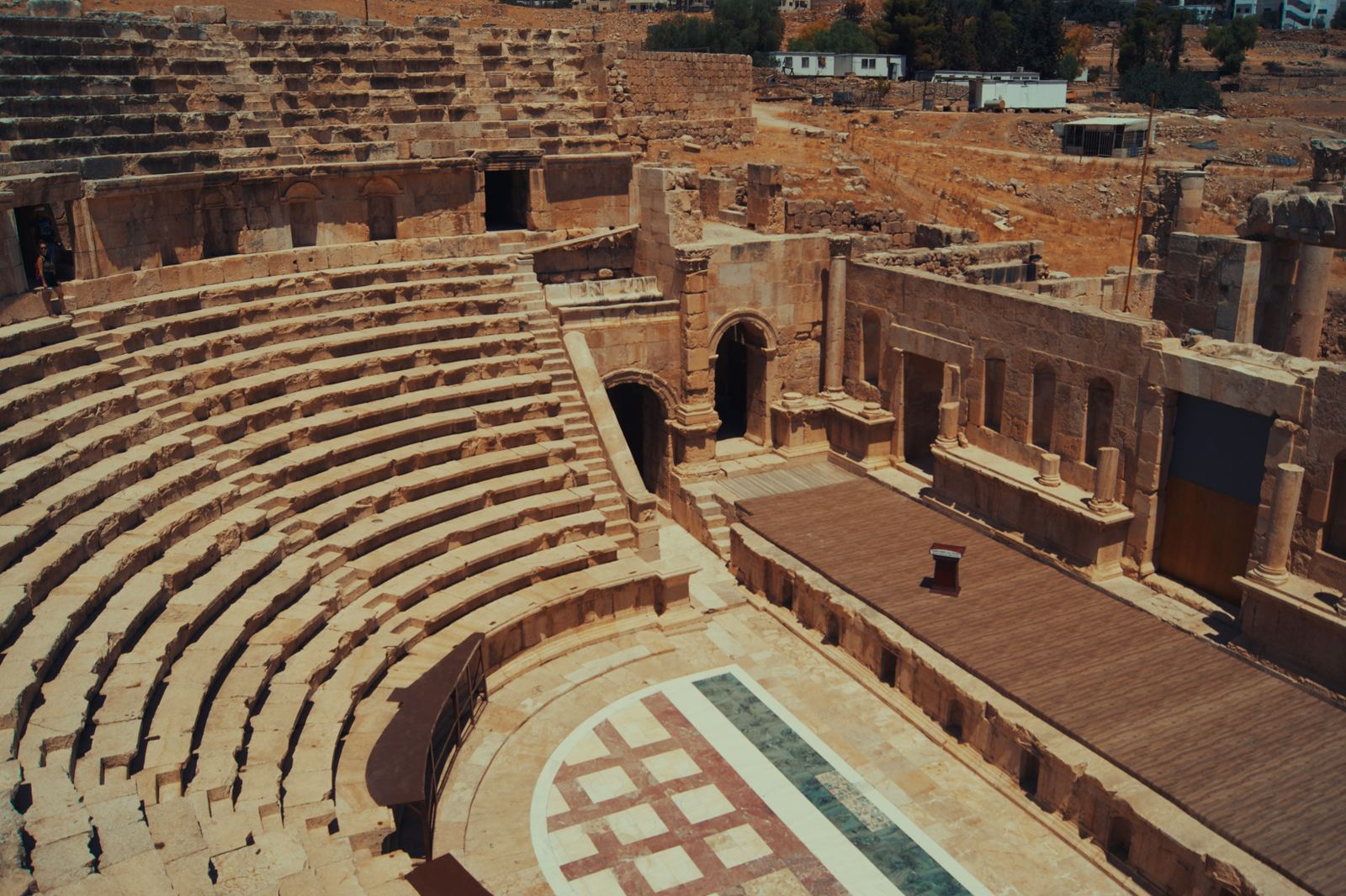
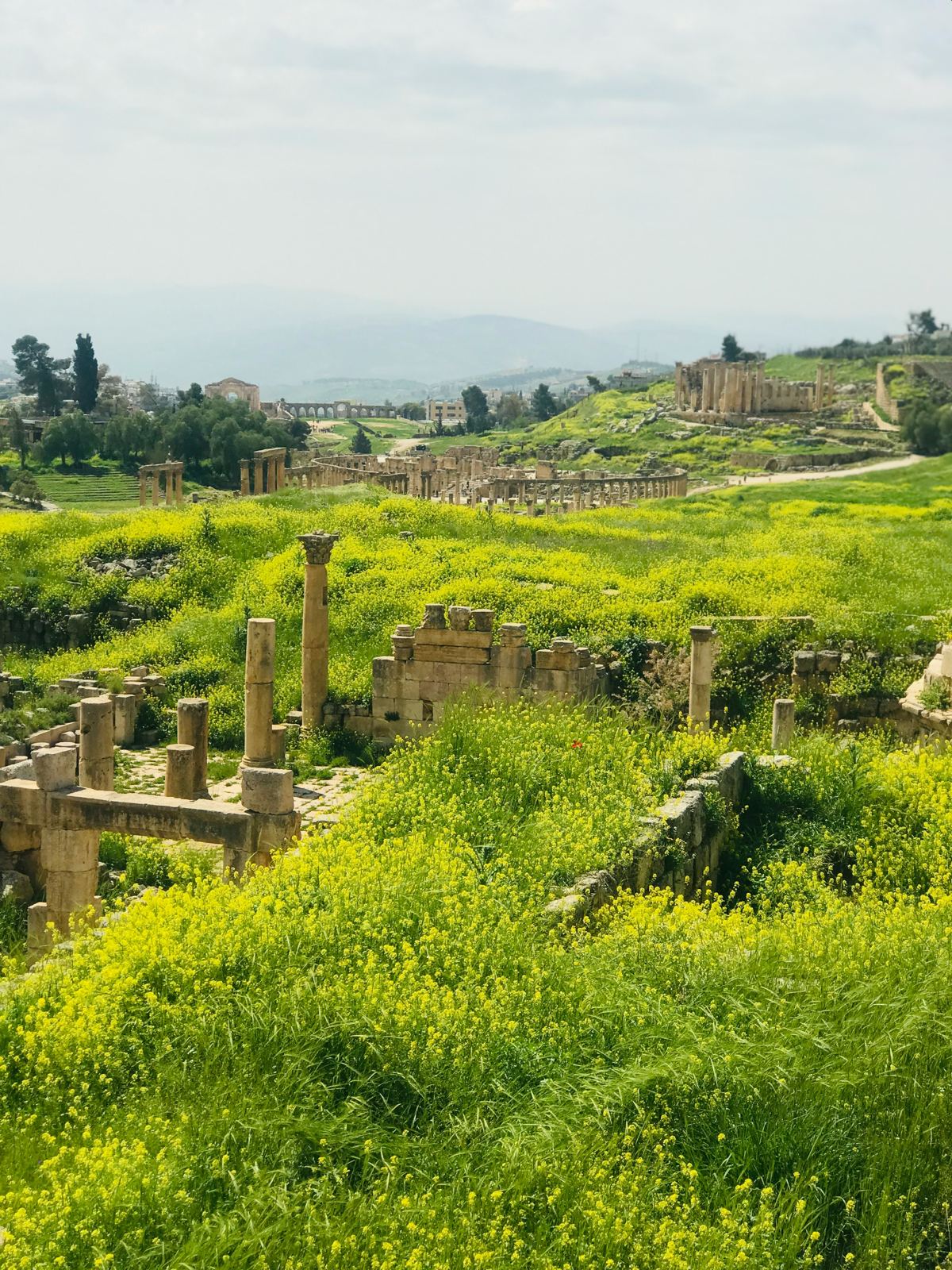
Northern university city, near Syria, more conservative and traditional, more affordable.
Town south of Amman, mixed Muslim-Christian heritage, peaceful pace.
The websites Muslims and locals actually use to buy, rent, and browse. Beware foreigner-targeted brokerages — local-language portals usually show truer market prices.
Setup 2–6 weeks. Investor residency tied to maintained investment.
Local salaries modest ($800–3,000/month for skilled work). Best for remote workers, NGO professionals, business owners.
Widely used in business, education, healthcare, and government. Most Jordanians in Amman under 40 speak workable English. Universities teach in English; private schools predominantly English-medium.
Outside Amman, English diminishes but Levantine Arabic is among the most widely understood in the Arab world. Great place to learn Arabic.
| School Type | Typical Fees (annual) |
|---|---|
| American (ACS, IAA) | $10,000 – $28,000 |
| British (Amman Baccalaureate, KAS) | $8,000 – $15,000 |
| IB schools (Amman Academy) | $7,000 – $14,000 |
| Jordanian private (bilingual) | $3,000 – $10,000 |
Universities: University of Jordan, German Jordanian University, Princess Sumaya University for Technology. World Islamic Sciences University.
Jordanian cuisine is Levantine at its core — mezze culture, flatbreads torn from communal trays, charcoal grilling over embers, and a deep olive oil tradition. What makes it distinctly Jordanian is Mansaf: lamb slow-cooked in jameed (fermented dried goat yogurt), served over rice on a communal tray, eaten standing and by hand. Halal is universal; alcohol is available but peripheral to the food culture.
Jordan eats generously — the concept of an underfilled plate is an insult to hospitality. Budget street meals run $2–5; restaurant meals $8–25. Amman has a strong café culture and a restaurant scene that punches above its size. Halal is universal across the country.
Aqaba on the Red Sea brings grilled fish and seafood into the equation; northern Jordan — Irbid, Jerash — maintains the most traditional village-cooking traditions with the best Mansaf.
Compare it side-by-side with other destinations, or read about a different country before deciding.