— A glimpse of Kazakhstan —
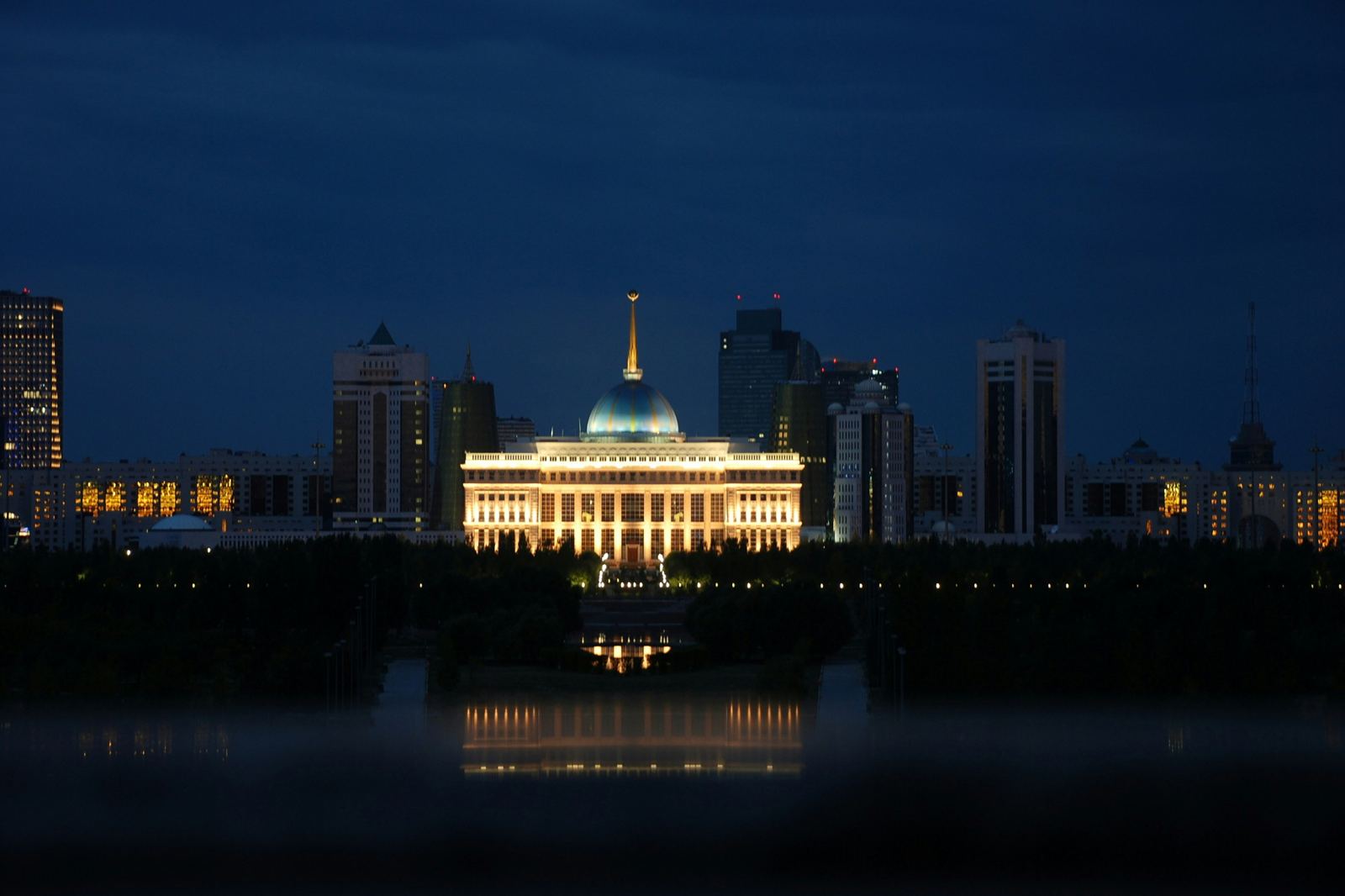
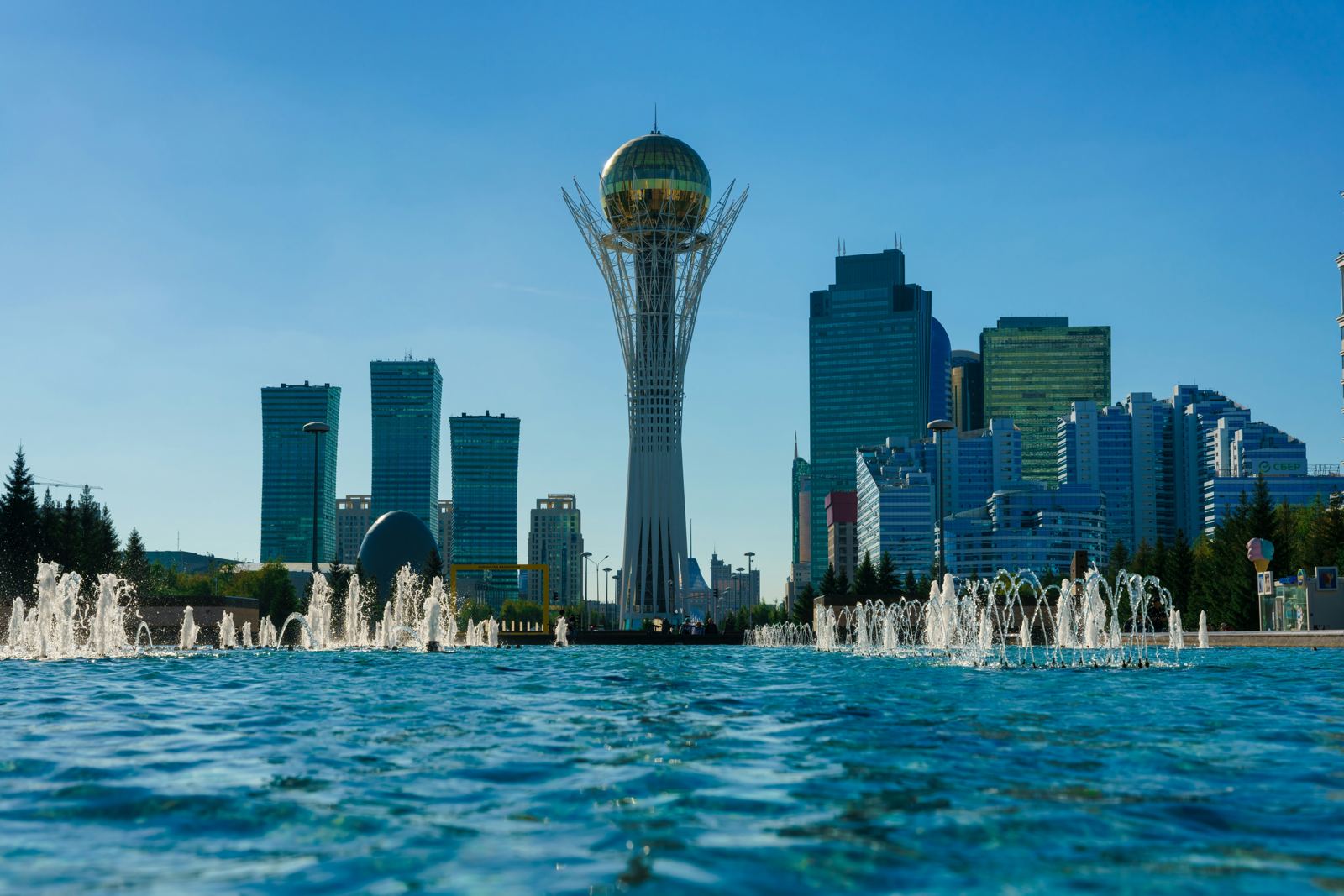
Photographs from Unsplash, used under the Unsplash License.
Central Asia's frontier — vast, mineral-rich, secular but Muslim-majority, with very low taxes and serious ambition.
Photographs from Unsplash, used under the Unsplash License.
Muslim-majority by ethnicity, religiously revived after the Soviet period. Kazakhs and other Central Asian peoples are predominantly Sunni Hanafi, with a long Sufi tradition (Yasawi, Naqshbandi). Soviet-era atheism suppressed practice; the post-1991 generation is rebuilding religious life.
Mosques are being built rapidly — the Hazret Sultan Mosque in Astana is among Central Asia's largest. Adhan, halal options, Ramadan observance, Friday prayer all visible in cities. However, religious expression operates within a strictly secular state framework — hijab in schools and government work has been contested.
For families seeking robustly Islamic environment, less immersive than Gulf or Türkiye. For Muslims comfortable with secular states, culturally welcoming.
Permanent residency is discretionary and since February 2026 requires a basic (A1) Kazakh language test; citizenship after 5 continuous years (Kazakh language, history and constitution tests). Single citizenship — must renounce others.
Kazakhstan permits naturalization after 5 years of continuous residence (3 years for those married to Kazakh citizens), with Kazakh-language proficiency, knowledge of the constitution, and demonstrated income.
The catch: Kazakhstan does not permit dual citizenship. You must renounce your existing nationality to become Kazakh. This is the central trade-off.
For most Western Muslims, that's not a sound exchange — a US, UK, or German passport is worth substantially more globally than a Kazakh one. The realistic long-term path is the 10-year investor residency ($300K+ in company capital or listed securities), the Neo Nomad visa for remote workers, or AIFC/Astana Hub frameworks for tech and finance entrepreneurs. Note that since February 2026 even permanent residency requires a basic Kazakh language test.
A low-tax regime, though the new Tax Code in force since January 2026 raised VAT and added a second income-tax band.
| Tax | Rate |
|---|---|
| Personal Income Tax | 10% (15% on annual income above ~KZT 35M / ~$68K) |
| Corporate Tax | 20% (25% for banks and gambling) |
| VAT | 16% (raised from 12% in 2026) |
| Capital Gains | 10% – 15% |
Special zones (AIFC, Astana Hub) offer corporate tax exemptions. AIFC uses English common law for commercial disputes.
| From | Round-Trip Economy (avg) | Flight Time |
|---|---|---|
| New York | $900 – $1,300 | 1 stop (~15h) |
| London | $450 – $700 | ~7h direct (Air Astana) |
| Frankfurt | $350 – $600 | ~7h direct (Air Astana; Lufthansa in summer) |
Air Astana is the flag carrier, widely respected.
Foreigners can own apartments freely. Agricultural land restricted to citizens.
| Property | Almaty | Astana | Other cities |
|---|---|---|---|
| 2BR Apartment | $80K – $200K | $70K – $180K | $40K – $120K |
| House / Cottage | $150K – $500K | $130K – $400K | $80K – $250K |
| 2BR Rent / month | $400 – $1,000 | $350 – $900 | $200 – $500 |
Almaty (mountains, milder climate) generally preferred to Astana (extreme continental, very cold winters).
Where you settle within a country matters as much as the country itself. Each city has its own pace, religious texture, expat density, and cost.
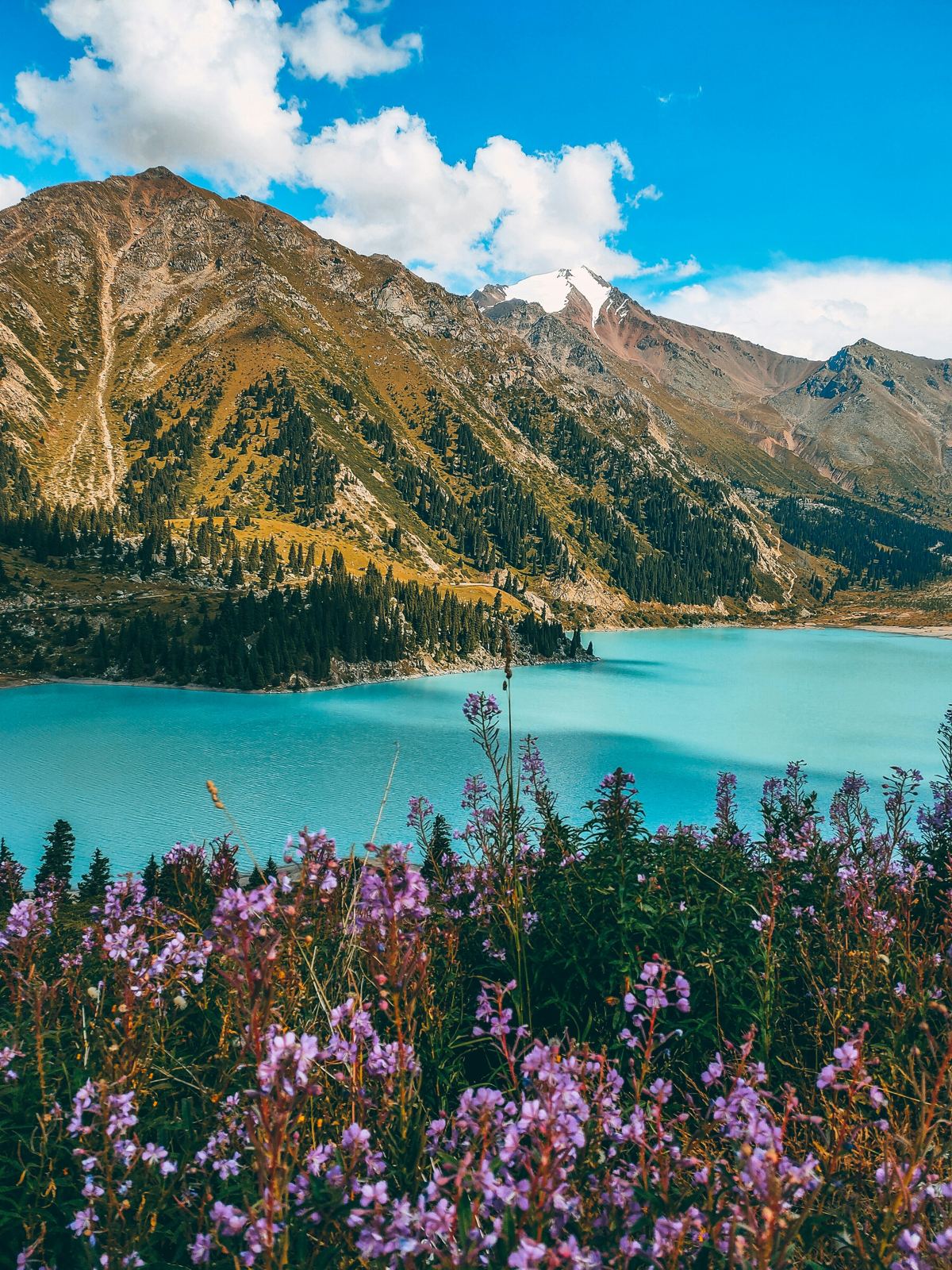
Largest city. Mountains, milder climate, cultural and economic heart, more cosmopolitan, tree-lined avenues.
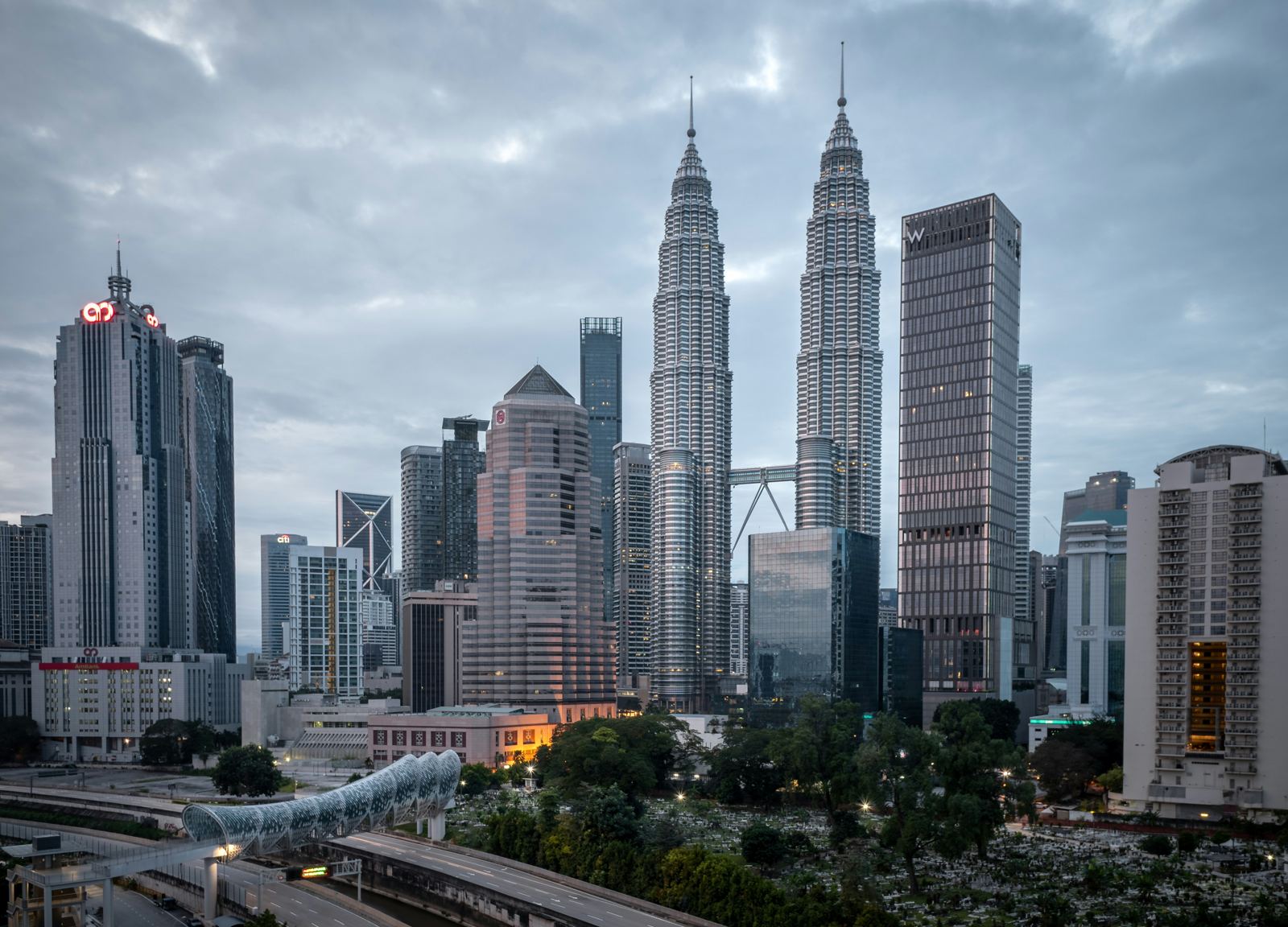
Capital since 1997. Ultra-modern architecture, planned city, severe winters (-30°C), government center.
Third-largest city in the south, near Uzbekistan. More traditional Kazakh-Uzbek culture, warmer climate.
Spiritual capital — home of Khoja Ahmed Yasawi mausoleum (UNESCO). Deeply Islamic Sufi heritage.
The websites Muslims and locals actually use to buy, rent, and browse. Beware foreigner-targeted brokerages — local-language portals usually show truer market prices.
For tech and finance, Kazakhstan is one of the easier and more advantageous Muslim-majority jurisdictions.
Salaries vary widely. Best for: specialists in energy, finance, or tech; remote workers; entrepreneurs.
Limited outside major business sectors. Russian dominates as the lingua franca, with Kazakh growing as the state language. English taught but practical fluency outside Almaty/Astana business circles uncommon.
Learning basic Russian (or Kazakh) is essential. AIFC and Astana Hub are English-friendly enclaves.
| School Type | Typical Fees (annual) |
|---|---|
| Haileybury Almaty / Astana (British) | $15,000 – $25,000 |
| Nazarbayev Intellectual Schools (state-elite, English) | Selective, free / very low |
| Miras International School | $10,000 – $20,000 |
| Quality School International (QSI) | $12,000 – $22,000 |
| Bilim-Innovation Lyceums (ex Kazakh-Turkish; selective STEM boarding, secular) | $2,000 – $8,000 |
Universities: Nazarbayev University (English-language, Western faculty), KIMEP, Suleyman Demirel University.
Kazakh cuisine is nomadic in its bones — lamb and horse meat, fat and dairy, food built for severe winters and the caloric demands of the steppe. Soviet rule added Slavic staples; the Central Asian trade routes brought rice dishes and flatbreads from Uzbekistan and Xinjiang. Halal is the practice for the Muslim majority, though Russian-style pork dishes appear in non-Muslim social contexts.
Eating in Kazakhstan is communal and generous — guests are expected to eat well and refusals are taken seriously. Almaty has a surprisingly capable restaurant scene; Astana's is more formal. Budget meals cost $3–8; mid-range $10–25. Halal is widely observed and widely available, though Russian-style restaurants carry pork.
Shymkent in the south leans toward Uzbek-influenced plov and samsa; Almaty's Uyghur restaurants serve some of the best laghman and dimlama outside Xinjiang.
Compare it side-by-side with other destinations, or read about a different country before deciding.