— A glimpse of Malaysia —
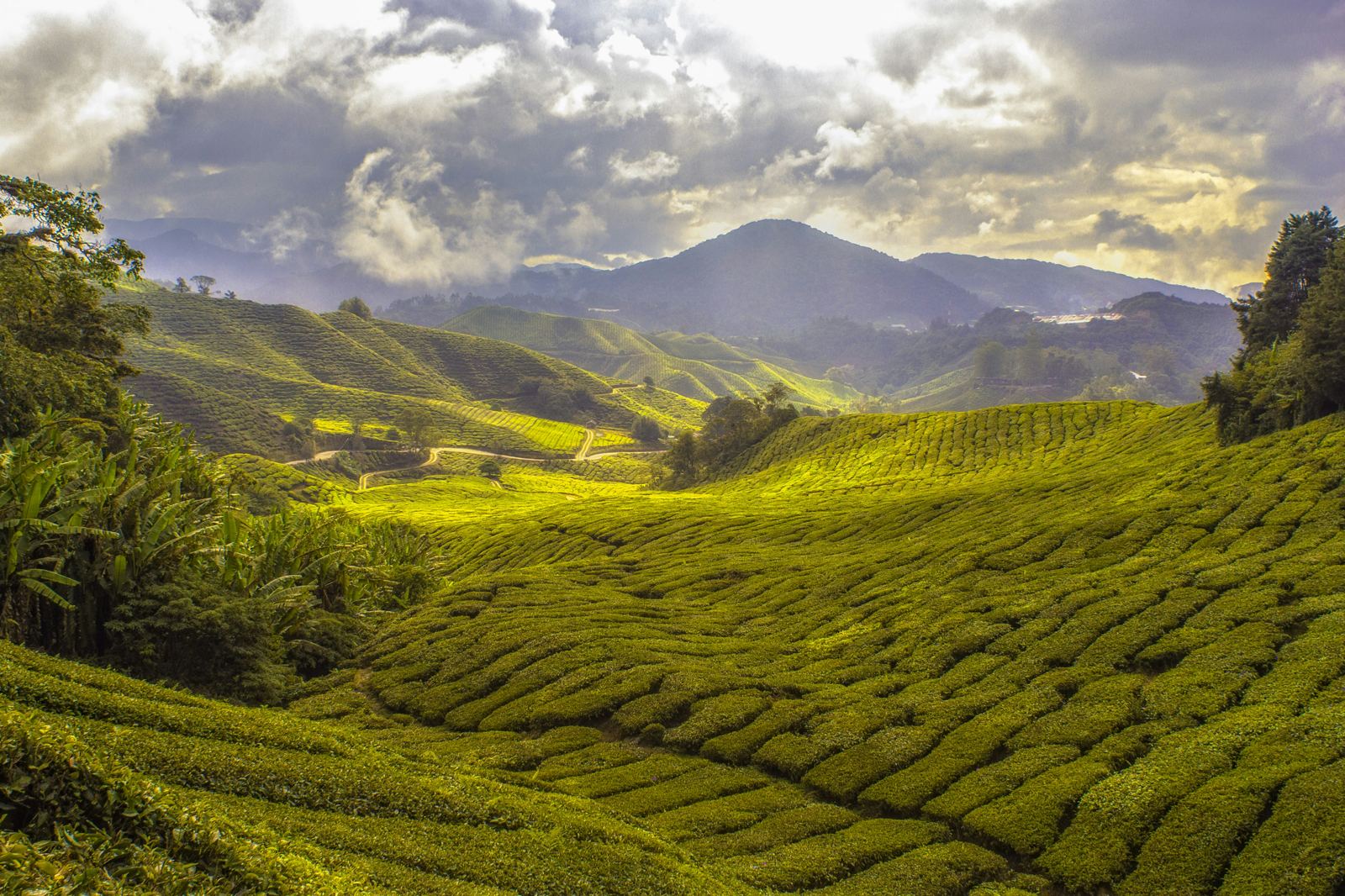
Photographs from Unsplash, used under the Unsplash License.
The English-speaking, family-friendly Muslim country where halal is the default and the weather barely changes.
Photographs from Unsplash, used under the Unsplash License.
Easy, visible, culturally embedded. Malaysia is the world's most genuinely Muslim-friendly country for English-speaking families. Halal is the default everywhere — even global brands (McDonald's, KFC, Starbucks) are fully halal-certified. Prayer rooms (surau) exist in every mall, office, highway rest stop, airport.
Islam is the official religion and overlaps with Malay ethnic identity. Adhan, Friday prayers, Ramadan bazaars, Eid celebrations are major social events. Constitution protects religious freedom for non-Muslims.
Malaysia is Sunni Shafi'i; Sharia courts operate for Muslims in family/personal status matters. Religious life is approachable, moderate, family-centered.
Permanent residency exists but difficult; citizenship typically requires renouncing other nationalities.
Malaysian citizenship is one of the most restrictive in Asia. The legal route requires residence for 10 of the previous 12 years (in practice as a permanent resident, which itself is heavily discretionary), Malay-language proficiency, good character, and — critically — renunciation of all other citizenships.
Permanent Residency is granted sparingly even to long-resident professionals, MM2H holders, and spouses of Malaysian citizens. Most MM2H holders never become PRs.
The realistic path for foreign Muslims is the MM2H visa (Silver 5-year renewable, Gold 15 years, Platinum 20 years) or PVIP (20 years) — both providing stable long-term residency without leading to citizenship. If you want a stable, English-speaking Muslim life in a tropical Muslim country, MM2H delivers; if you want a passport, look at Türkiye instead.
| Tax | Rate |
|---|---|
| Personal Income Tax (residents) | 0% – 30% progressive |
| Foreign-source income remitted | Exempt for resident individuals (extended to end-2036) |
| Corporate Tax | 15–17% (SMEs) / 24% (general) |
| SST (Sales & Service) | Sales tax 5% / 10%; service tax 6% – 8% (scope widened July 2025) |
| Capital Gains | 0% for individuals (property RPGT: foreigners 30% within 5 years, 10% after) |
Tax-residency: 182+ days/year. Labuan offers separate, very low-tax regime for international holding companies (3% on audited net profit, with substance requirements; the old RM 20K flat option was abolished).
| From | Round-Trip Economy (avg) | Flight Time |
|---|---|---|
| New York | $1,000 – $1,400 | 1 stop (~20h total) |
| London | $650 – $900 | ~13h direct (Malaysia Airlines) |
| Frankfurt | $600 – $850 | ~13h direct (Lufthansa, from late Oct 2026) |
Malaysia Airlines flag carrier; AirAsia dominates budget intra-Asia. KLIA is a major Asian hub.
Foreigners can buy property above a minimum price threshold (RM 1 million / ~$235K in most states; varies). No limit on number of properties.
| Property | KL / Selangor | Penang | Johor / Smaller Cities |
|---|---|---|---|
| 2BR Apartment | $120K – $300K | $100K – $250K | $70K – $180K |
| Landed House | $200K – $700K | $180K – $500K | $120K – $400K |
| 2BR Rent / month | $500 – $1,200 | $400 – $900 | $300 – $700 |
Strata-titled condos are most foreigner-friendly. Quality and density vary by neighborhood.
Where you settle within a country matters as much as the country itself. Each city has its own pace, religious texture, expat density, and cost.
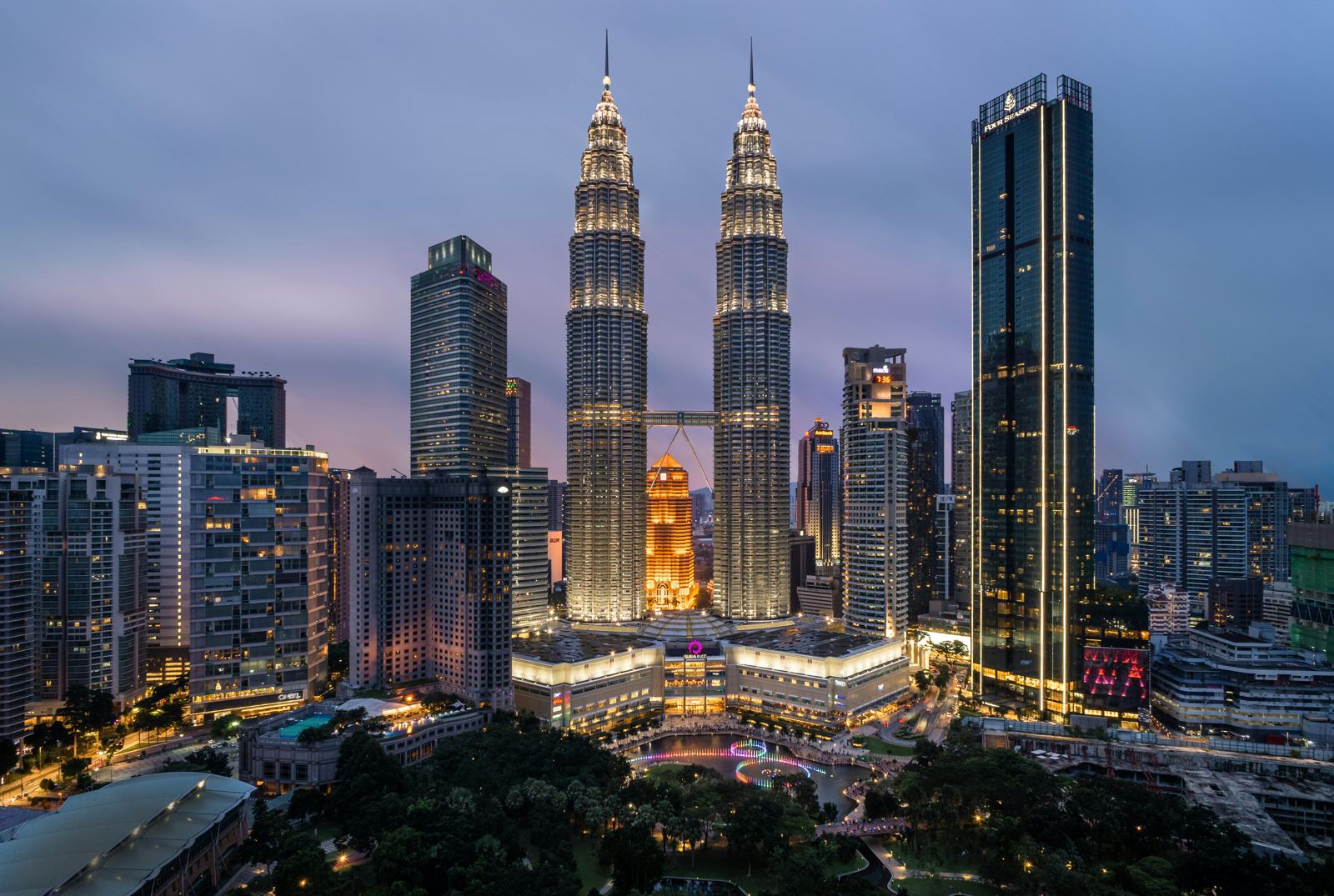
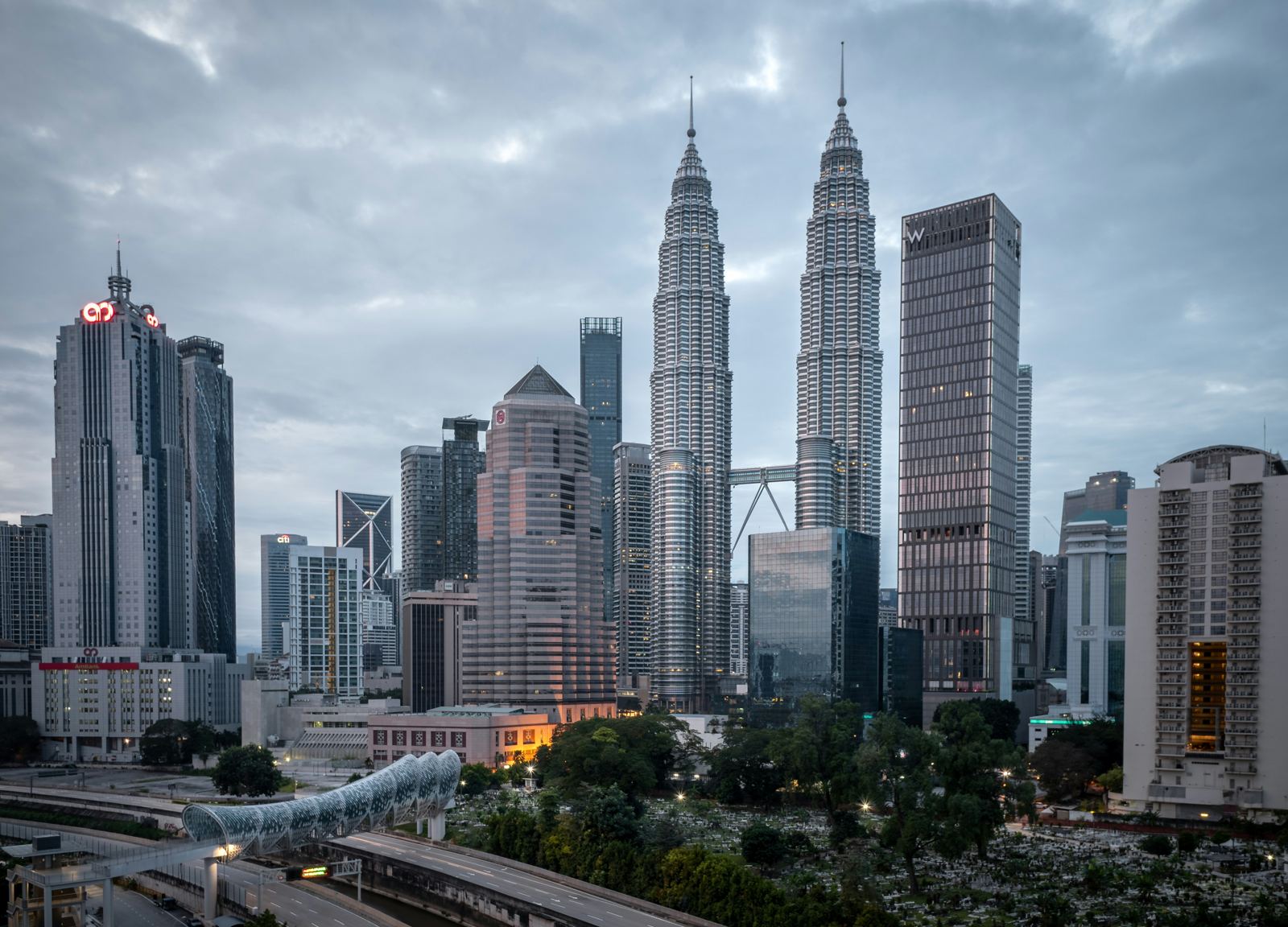
Capital. Cosmopolitan, English-fluent, vast mall culture, Petronas Towers, biggest job and school market.
Island in the north. UNESCO heritage, foodie capital, milder traffic, large expat community.
Across the causeway from Singapore. Booming property market, commute possible to SG.
Federal administrative capital. Planned city, large mosques, very Malay/Muslim ambiance.
Sabah, on Borneo. Mountains, beaches, slower pace, more diverse ethnic mix.
The websites Muslims and locals actually use to buy, rent, and browse. Beware foreigner-targeted brokerages — local-language portals usually show truer market prices.
Some sectors (logistics, agriculture, oil & gas, wholesale) require Bumiputera participation or licensing. Banking straightforward with Maybank, CIMB, HSBC.
Salaries lower than the West but cost of living dramatically lower; net standard of living strong. Remote workers from US/EU live like upper-middle class.
Widely spoken across the country — a legacy of British colonial rule. English is a primary language of business, higher education, urban professional life, and government documentation alongside Malay.
Manglish (with "lah") is the local flavor. You can live in Malaysia long-term without learning Malay, though some basics help in markets and with older residents.
| School Type | Typical Fees (annual) |
|---|---|
| British (Marlborough, Epsom, Alice Smith) | $10,000 – $30,000 |
| American (ISKL, Mont Kiara) | $15,000 – $35,000 |
| IB schools | $10,000 – $25,000 |
| Australian, Canadian, French, German schools | $8,000 – $25,000 |
| Islamic / tahfiz schools | $1,500 – $8,000 |
| Malaysian private (with Islamic option) | $2,000 – $7,000 |
Universities: Universiti Malaya, Universiti Putra Malaysia, Monash Malaysia, Nottingham Malaysia, Taylor's, Sunway — many ranked globally, English-language.
Malaysian food is a three-way conversation between Malay, Chinese, and Indian kitchen traditions — and the terms of that conversation are settled every morning at a hawker centre over roti canai and teh tarik. Halal certification is taken seriously and prominently displayed; the system is reliable enough that Muslim travellers can eat across the hawker landscape with confidence.
Eating is the national pastime — hawker centres run 24 hours in many cities. Budget hawker meals cost $1.50–4; full restaurant meals $8–20. Mamak (Tamil-Muslim) stalls are the great democratic institution: cheap, always open, halal, and serving extraordinary roti canai at 4am. Halal certification is prominent and government-regulated; look for the JAKIM logo.
Penang is the undisputed capital of Malaysian street food — assam laksa, char kway teow, and cendol on Gurney Drive are pilgrimages in their own right.
Compare it side-by-side with other destinations, or read about a different country before deciding.