— A glimpse of Mauritania —
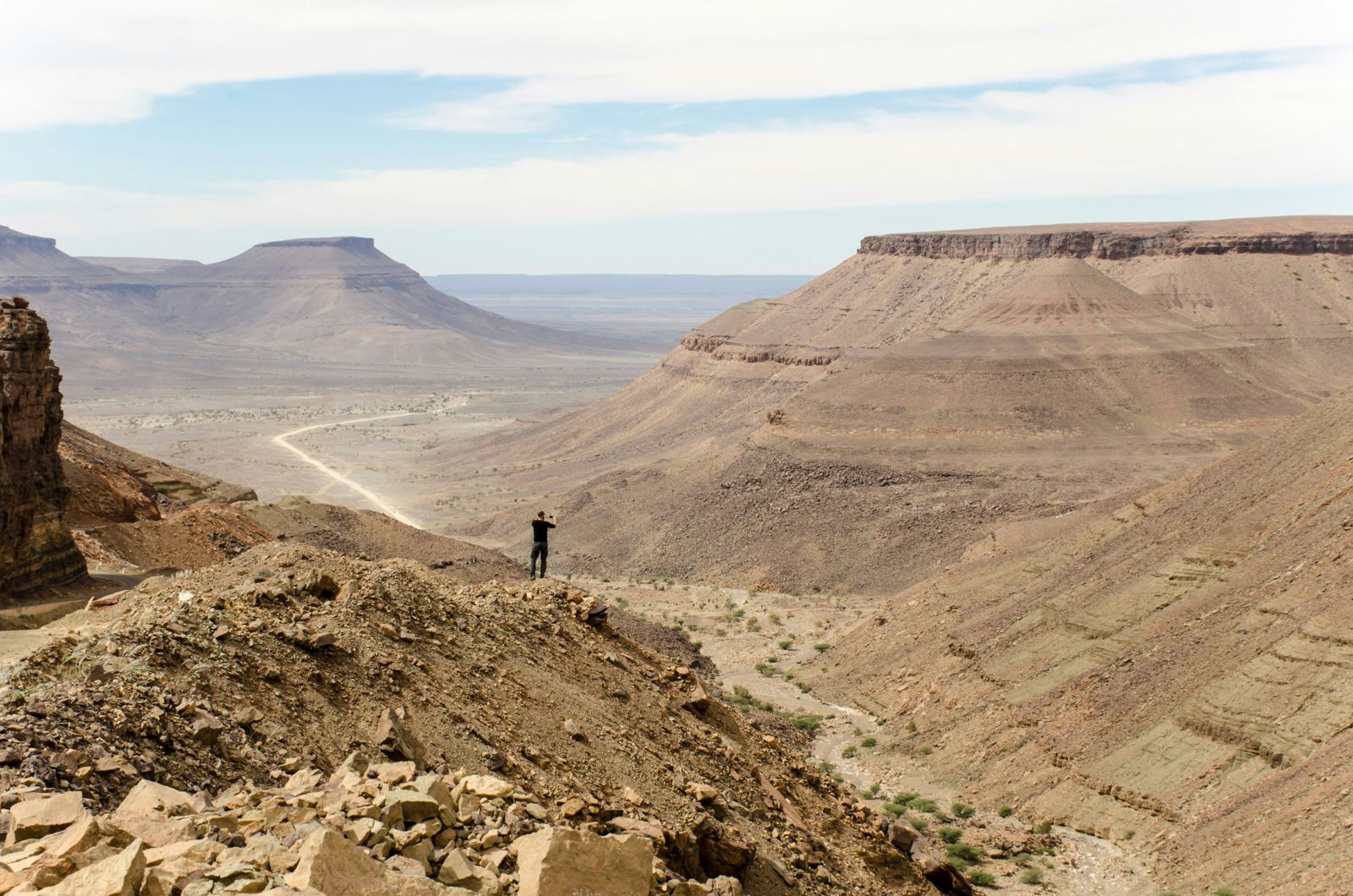
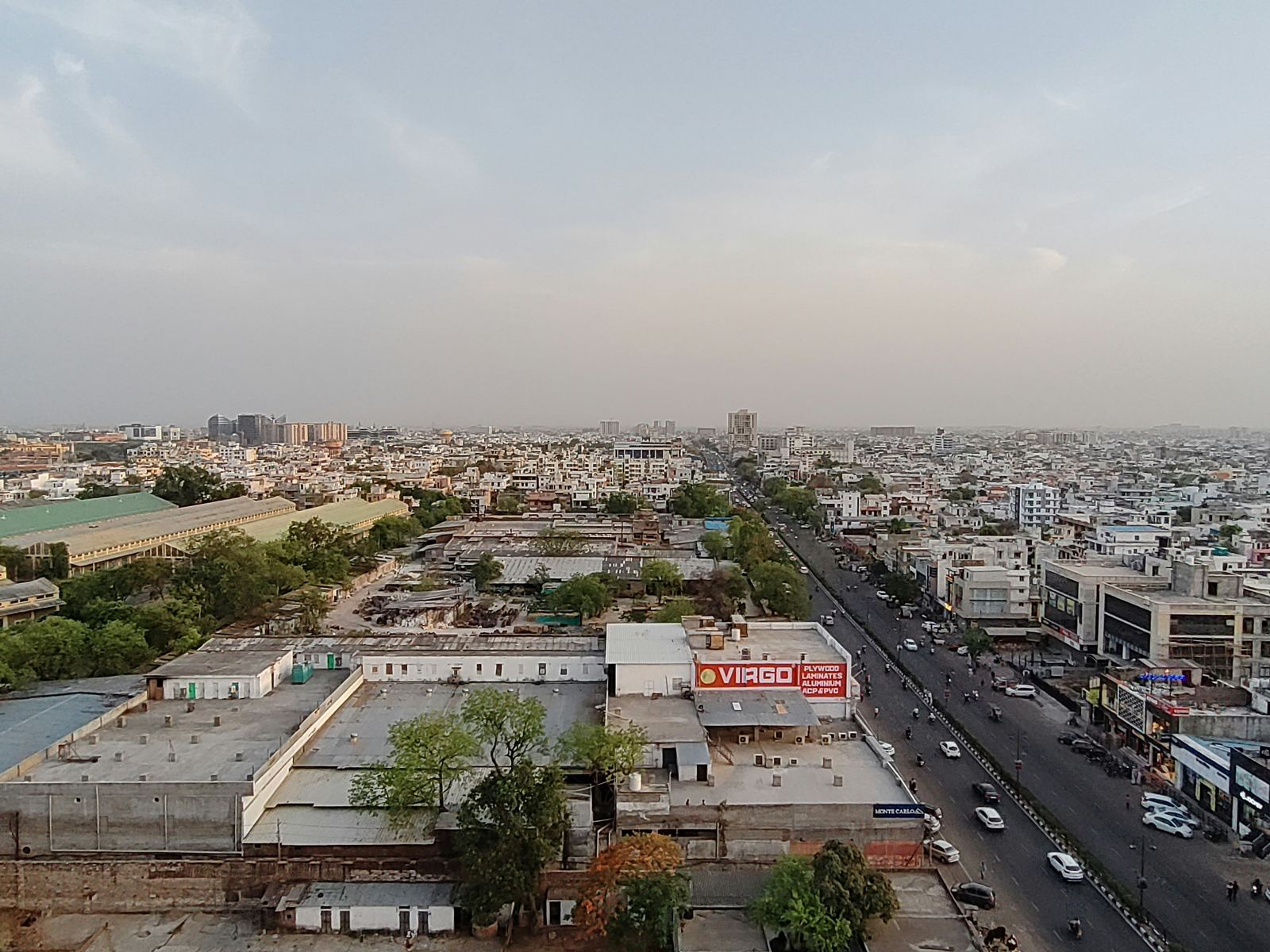
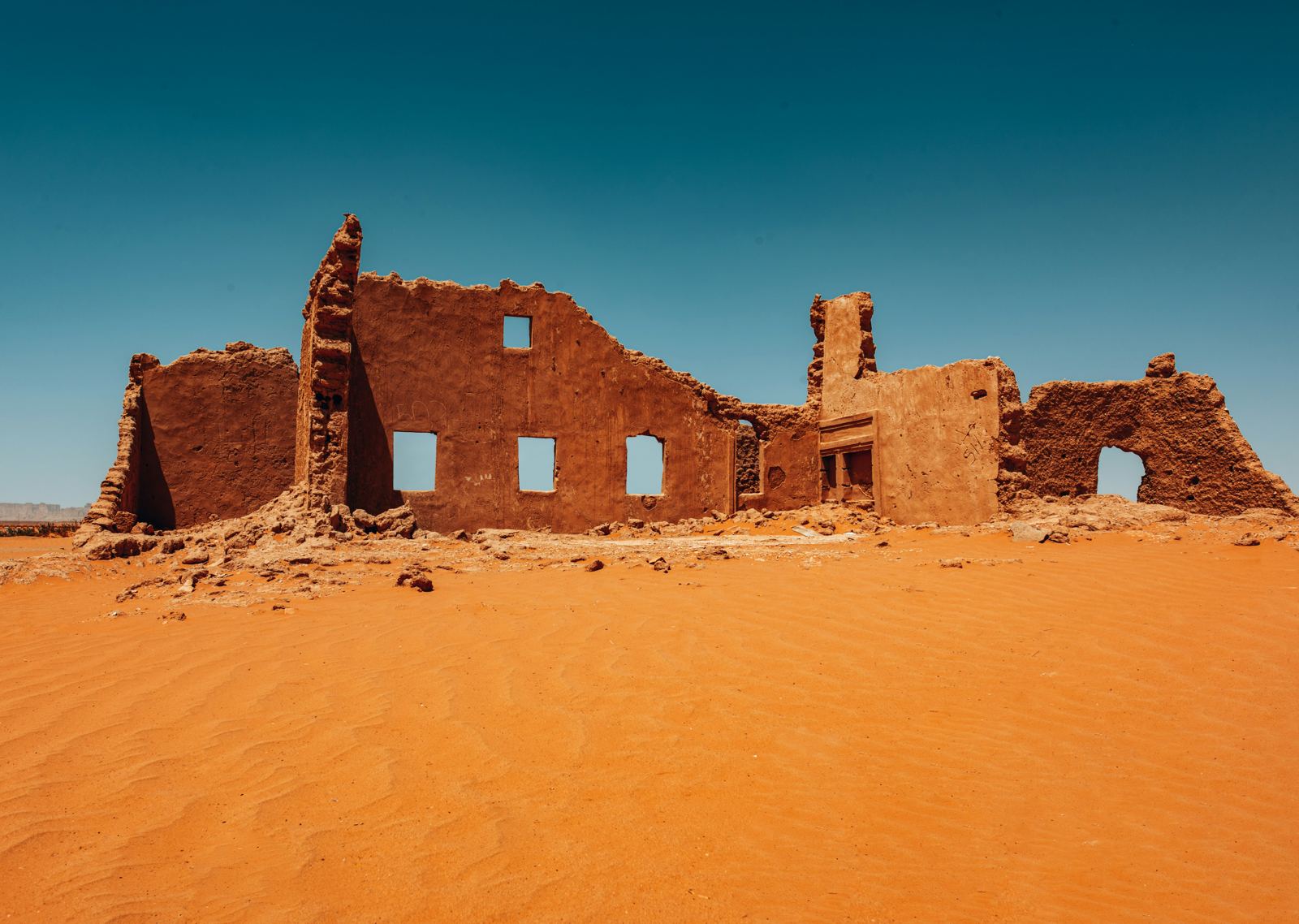
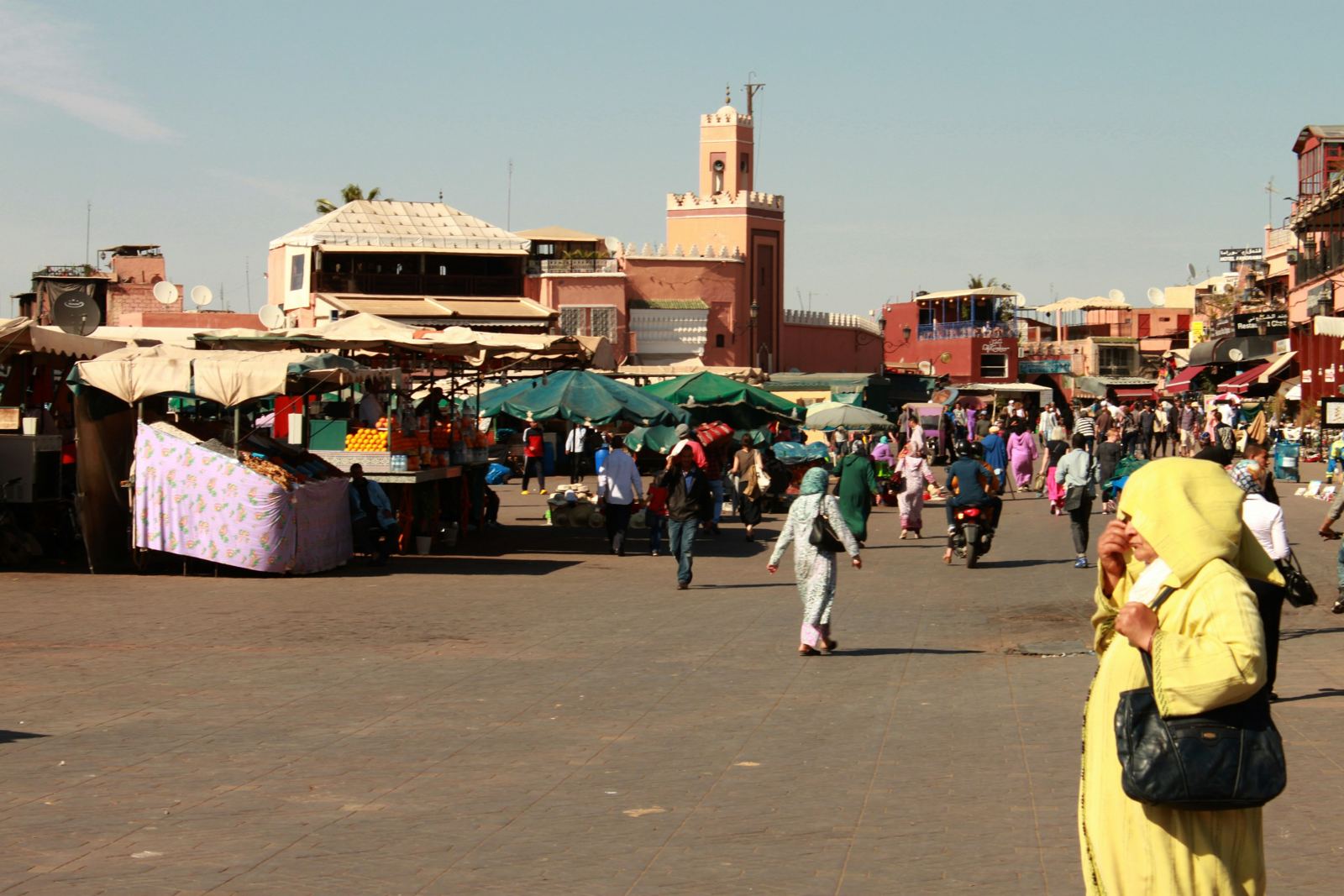
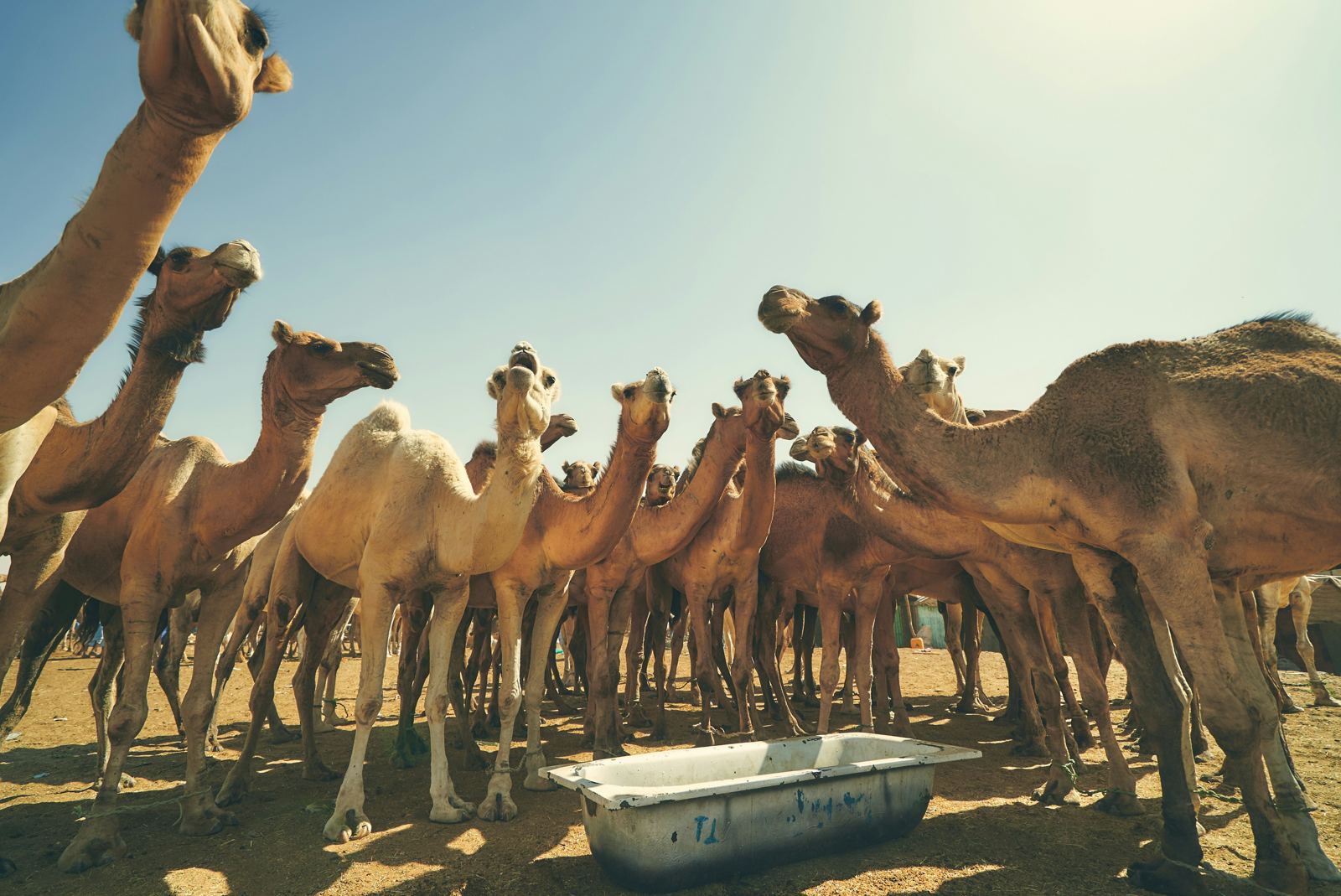
Photographs from Unsplash, used under the Unsplash License.
The Islamic Republic of the Sahara — austere, deeply Islamic, and one of the last places on earth where Maliki traditional life remains intact.
Photographs from Unsplash, used under the Unsplash License.
Officially the Islamic Republic of Mauritania. ~100% Sunni Muslim, almost entirely Maliki madhab. Few countries on earth retain such pervasive traditional Islamic culture in daily life — desert mahdara (traditional Islamic schools) still produce huffaz and 'ulama using methods unchanged for centuries.
Adhan everywhere, halal is the only food, modest dress universal (Mauritanian melhfa for women, dara'a for men), shariah influences daily life broadly. Public observance of Ramadan and Friday prayer is total.
For students of Islam, Mauritania is one of the world's most respected destinations for traditional Maliki fiqh, Arabic linguistics, and Qur'anic memorization. Scholars like the late Sheikh Murabit al-Hajj (d. 2018) and Sheikh Muhammad al-Hasan al-Dado have made it a destination for foreign students of sacred knowledge.
Mauritania does not have a major investor or golden visa program. Most foreign Muslims arrive on study or work visas.
Mauritania allows naturalization after 10 years of legal residence (reduced to 5 years for spouses of Mauritanian citizens, people born in the country, and those who have rendered exceptional service). Applicants must show good character, good health, no criminal record, fluency in Arabic or another national language (Pulaar, Soninké, Wolof), and integration into Mauritanian society. The nationality code itself contains no explicit religious requirement, though Islamic marriage and integration matter in practice.
Being a practising Muslim — particularly a student at the mahdaras — is genuinely welcomed socially. Discretionary approval is still required.
Mauritania permits dual nationality under its amended nationality code. The passport is modest in international mobility (~55 visa-free or visa-on-arrival destinations) but offers genuine Arab-Sahel citizenship. Most realistic for: Islamic studies students, NGO workers, or families seeking traditional Maliki community life.
| Tax | Rate |
|---|---|
| Personal Income Tax | 15% – 40% progressive |
| Corporate Tax | 25% |
| VAT | 16% |
Tax administration is developing; enforcement varies. For low-income or informal-sector activities, effective tax burden is often light. Higher-earning expats and formal businesses are taxed.
| From | Round-Trip Economy (avg) | Flight Time |
|---|---|---|
| New York | $1,000 – $1,400 | 1 stop (~14h) |
| London | $500 – $800 | 1 stop via Paris or Casablanca (~9h) |
| Frankfurt | $450 – $750 | 1 stop (~8h) |
Direct flights mostly from Paris (Air France), Casablanca, Istanbul, Tunis, Algiers, Dakar and Las Palmas. Mauritania Airlines is the flag carrier. Limited international connections compared to other countries.
Foreigners can own urban property; agricultural land restricted. Most transactions are in cash; mortgage market is undeveloped.
| Property | Nouakchott (good areas) | Nouadhibou | Smaller towns |
|---|---|---|---|
| 2BR Apartment | $50K – $150K | $30K – $80K | $15K – $50K |
| House / Villa | $80K – $300K | $50K – $180K | $30K – $100K |
| 2BR Rent / month | $200 – $600 | $150 – $400 | $80 – $250 |
Nouakchott neighborhoods like Tevragh-Zeina are upscale; older central areas more traditional. Verify titles carefully through a Mauritanian notary.
Where you settle within a country matters as much as the country itself. Each city has its own pace, religious texture, expat density, and cost.
The capital. Coastal, growing rapidly, sandstorms common, mix of modern and traditional, most foreign presence here.
Second city, far north on Atlantic. Fishing, ports, more cosmopolitan trading culture, near Western Sahara.
Ancient Saharan caravan town and famous mahdara center. Sufi heritage, traditional libraries of Islamic manuscripts. Small, remote, deeply spiritual.
Saharan oases, ancient cities, traditional life largely intact, attract Islamic students and scholars.
The websites Muslims and locals actually use to buy, rent, and browse. Beware foreigner-targeted brokerages — local-language portals usually show truer market prices.
Bureaucracy is slow. French and Arabic essential for paperwork. Local partner / lawyer strongly recommended.
Local salaries low. Best for: Islamic studies students, remote workers, mining/oil specialists on expat packages, NGO workers, families seeking deeply traditional Muslim life.
Very limited. French is the working language alongside Arabic and Hassaniya (Mauritanian Arabic dialect). For business and government, French is essential; for daily integration, Hassaniya Arabic.
Students of Islam can manage with classical Arabic in mahdara settings.
| School Type | Typical Fees (annual) |
|---|---|
| American International School of Nouakchott | $10,000 – $18,000 |
| French Lycée Théodore Monod | $3,000 – $8,000 |
| Mauritanian private (bilingual) | $1,000 – $4,000 |
| Traditional mahdara (Islamic) | Free / hospitality-based |
Universities: University of Nouakchott, Higher Institute of Islamic Studies and Research. For Islamic studies, the desert mahdaras of Chinguetti, Boutilimit, and elsewhere are the real attraction.
Mauritanian cuisine is West Saharan — the cooking of nomads, herders, and Atlantic fishermen, shaped by proximity to both the Maghreb and sub-Saharan Africa, with little Western culinary influence. Halal is total and complete; the challenge is finding variety rather than certification.
Mauritania is not a gastronome's destination — the food is filling, honest, and deeply traditional. Communal eating from one shared bowl is the norm, not the exception. Budget meals cost $2–6. Halal is universal and complete; the entire country operates within it. The three-round sweet mint tea ceremony is the social glue that precedes every interaction.
Nouadhibou and the Atlantic coast deliver exceptional fresh seafood — octopus and fish sold directly from boats at the dock; the Saharan interior is entirely meat and grain.
Compare it side-by-side with other destinations, or read about a different country before deciding.