— A glimpse of Morocco —
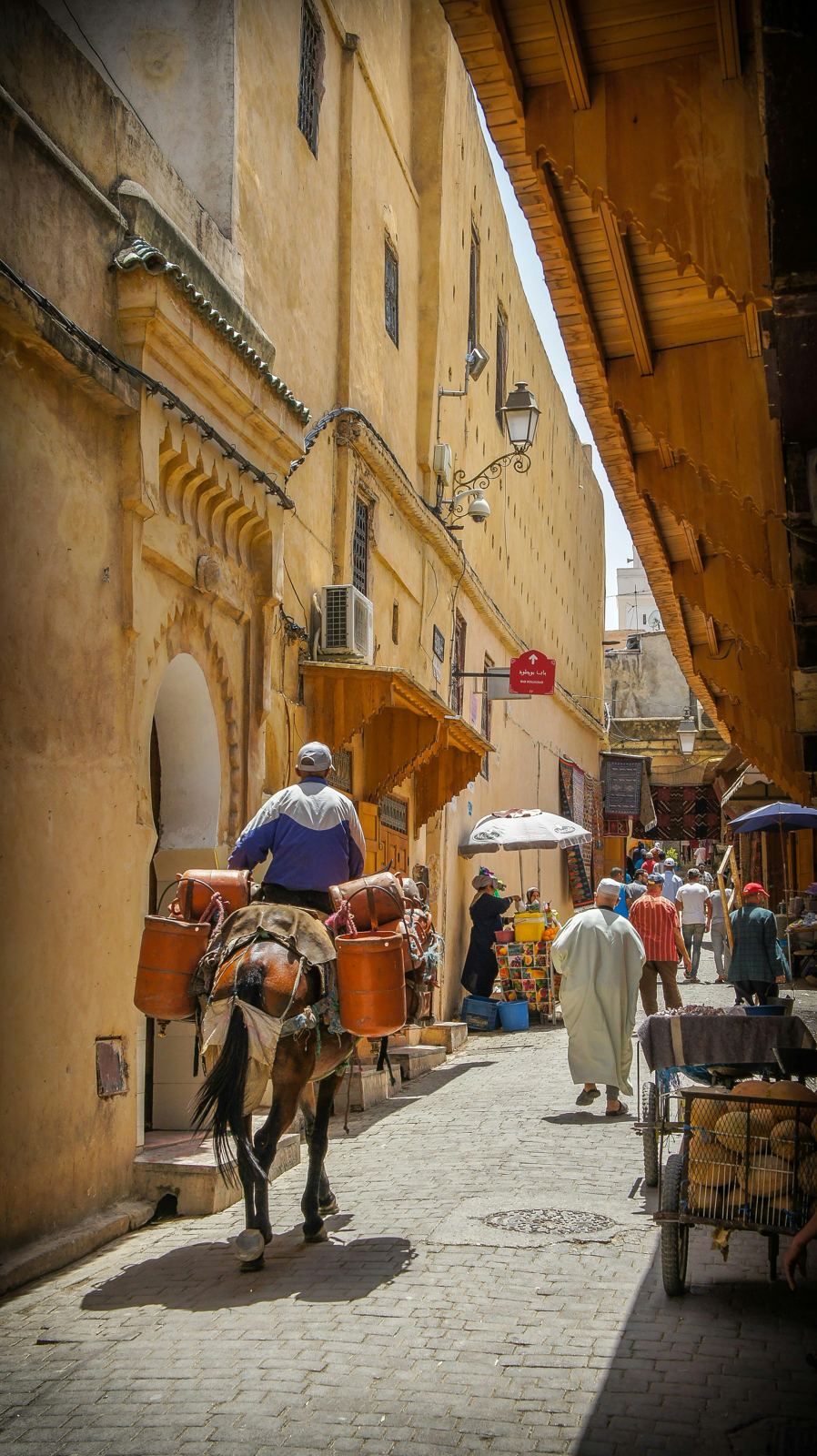
Photographs from Unsplash, used under the Unsplash License.
European-adjacent, deeply cultural, affordable — North Africa's most accessible Muslim country for Westerners.
Photographs from Unsplash, used under the Unsplash License.
Culturally Islamic, socially relaxed. Morocco is overwhelmingly Sunni Maliki, with a thousand-year tradition of moderation and Sufi influence. Adhan from minarets, halal default, modest dress respected.
Public observance varies: religious neighborhoods in older medinas feel deeply devout; modern districts of Casablanca and Marrakech are visibly more secular. Hijab common but not mandatory; alcohol exists in licensed venues.
The king holds the title "Amir al-Mu'minin" (Commander of the Faithful), and the state actively manages religious life through trained imams. Religious life feels gentle and traditional, not strict.
Generous tourist regime, multiple residency routes.
Morocco offers one of the more attainable citizenship paths in the Arab world.
Morocco offers one of the more attainable Arab citizenship paths. After 5 years of legal residency (carte de séjour), foreigners may apply for naturalization. Requirements: clean criminal record, stable income, basic Arabic, demonstrated integration into Moroccan society, and good character references.
Approval is discretionary and not automatic, but the bar is meaningfully lower than the Gulf or Malaysia. Morocco permits dual citizenship — you do not need to renounce your existing nationality.
The Moroccan passport offers visa-free access to ~70 countries and a foothold in the Arab world and Africa. Marriage to a Moroccan citizen accelerates the process. This is a real option for Muslim families willing to invest a decade.
| Tax | Rate |
|---|---|
| Personal Income Tax | 0% – 37% progressive |
| Foreign Pensions | 80% rebate (effective top ~7.4%) |
| Corporate | 20% (35% on profits over MAD 100M; 40% banks/insurers) |
| VAT | 20% standard |
Tax residency: 183+ days. Casablanca Finance City offers a 5-year corporate tax exemption from incorporation, then 20%.
| From | Round-Trip Economy (avg) | Flight Time |
|---|---|---|
| New York | $600 – $900 | ~7h direct (Royal Air Maroc) |
| London | $150 – $300 | ~3.5h direct (RAM, BA, easyJet, Ryanair) |
| Frankfurt | $150 – $280 | ~3.5h direct (RAM, Lufthansa, Ryanair) |
Royal Air Maroc is the flag carrier. Budget airlines very active from Europe.
Foreigners can buy property freely (except agricultural land).
| Property | Casablanca | Marrakech | Rabat / Tangier |
|---|---|---|---|
| 2BR Apartment | $80K – $250K | $70K – $200K | $70K – $180K |
| House / Riad / Villa | $100K – $400K | $80K – $400K | $120K – $500K |
| 2BR Rent / month | $450 – $1,200 | $350 – $1,000 | $450 – $1,300 |
Riads (traditional courtyard homes) in old medinas are iconic — atmospheric but maintenance-heavy.
Where you settle within a country matters as much as the country itself. Each city has its own pace, religious texture, expat density, and cost.
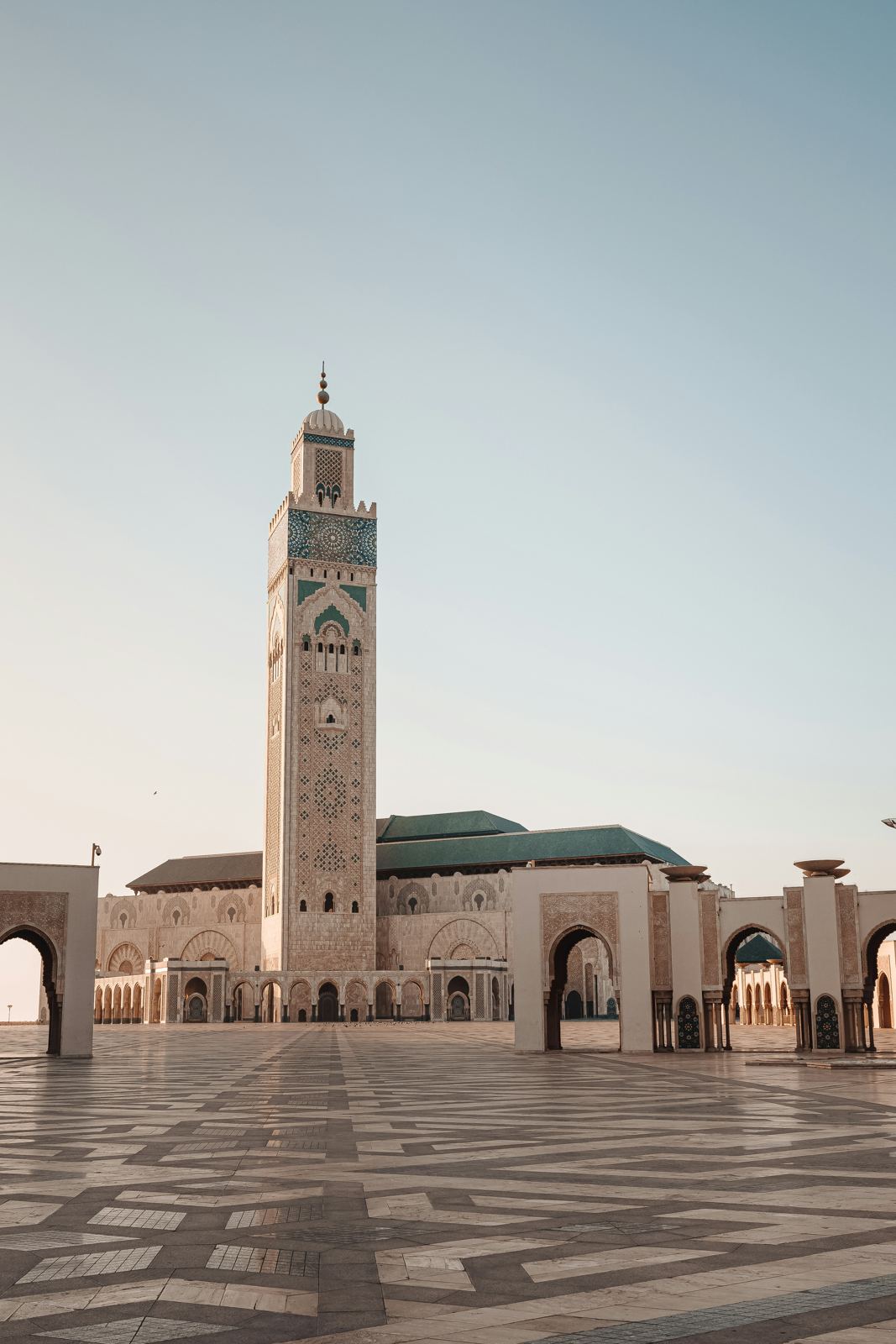
Largest city and economic capital. Cosmopolitan, French-influenced, biggest job market, Atlantic coastline.
The capital. Calm, walkable, government and diplomatic center, more conservative, lower crime.
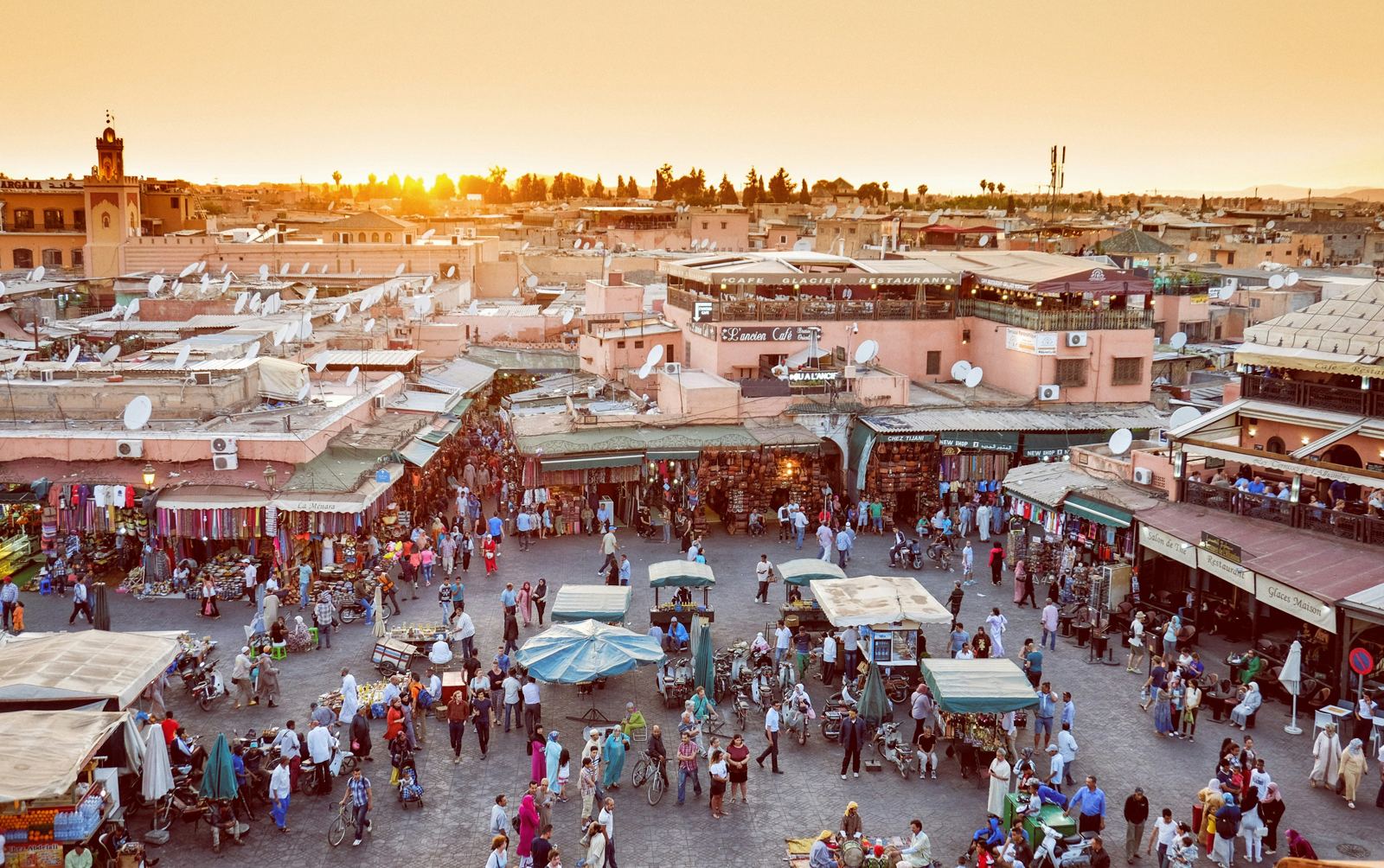
Tourism magnet, atmospheric old city, vibrant souks, hot in summer, popular with foreigners.
Northern port, Spain visible across the strait, cosmopolitan history, ferry to Europe, mild climate.
Spiritual and intellectual capital, vast medieval medina (UNESCO), home of Qarawiyyin (world's oldest continuously operating university).
The websites Muslims and locals actually use to buy, rent, and browse. Beware foreigner-targeted brokerages — local-language portals usually show truer market prices.
Bureaucracy real — accountant essential. CRI ("guichet unique") streamlined setup considerably.
Local salaries low. Remote workers from Europe live very comfortably.
Limited outside tourism zones. French dominates as the second language after Arabic/Darija — business, education, government paperwork largely in French.
To live well long-term, basic French is more useful than English. Moroccans appreciate any attempt at Darija.
| School Type | Typical Fees (annual) |
|---|---|
| French (Mission Française / AEFE) | $3,000 – $8,000 |
| British (BSC, BSM, BSR) | $8,000 – $18,000 |
| American (Rabat / Casablanca AS) | $10,000 – $20,000 |
| Moroccan private (with Islamic option) | $1,500 – $6,000 |
Universities: Al Akhawayn (English, American curriculum), Mohammed V, Qarawiyyin (Islamic studies), International University of Rabat.
Moroccan cuisine is one of the Arab world's most refined — centuries of Andalusian, Berber, and sub-Saharan African influence meeting in a single tagine. Slow-cooking is a discipline: spices layered with care, preserved lemons adding a particular bitter-salt depth. Halal is universal; wine is produced locally but largely for export and tourist consumption.
Moroccan hospitality centres on mint tea — poured from height, intensely sweet, three glasses — and a table that keeps being refilled. Street food is excellent and remarkably cheap: harira for $0.50, a tagine at a medina stall for $3–7. Mid-range restaurant meals run $10–25. Halal is absolute. Marrakech and Fez concentrate the most sophisticated riad-restaurant dining.
Fez claims the most refined Moroccan table; Marrakech is showier; the Atlantic coast cities — Essaouira, Agadir, Casablanca — bring outstanding seafood into the equation.
Compare it side-by-side with other destinations, or read about a different country before deciding.