— A glimpse of Syria —
Photographs from Unsplash, used under the Unsplash License.
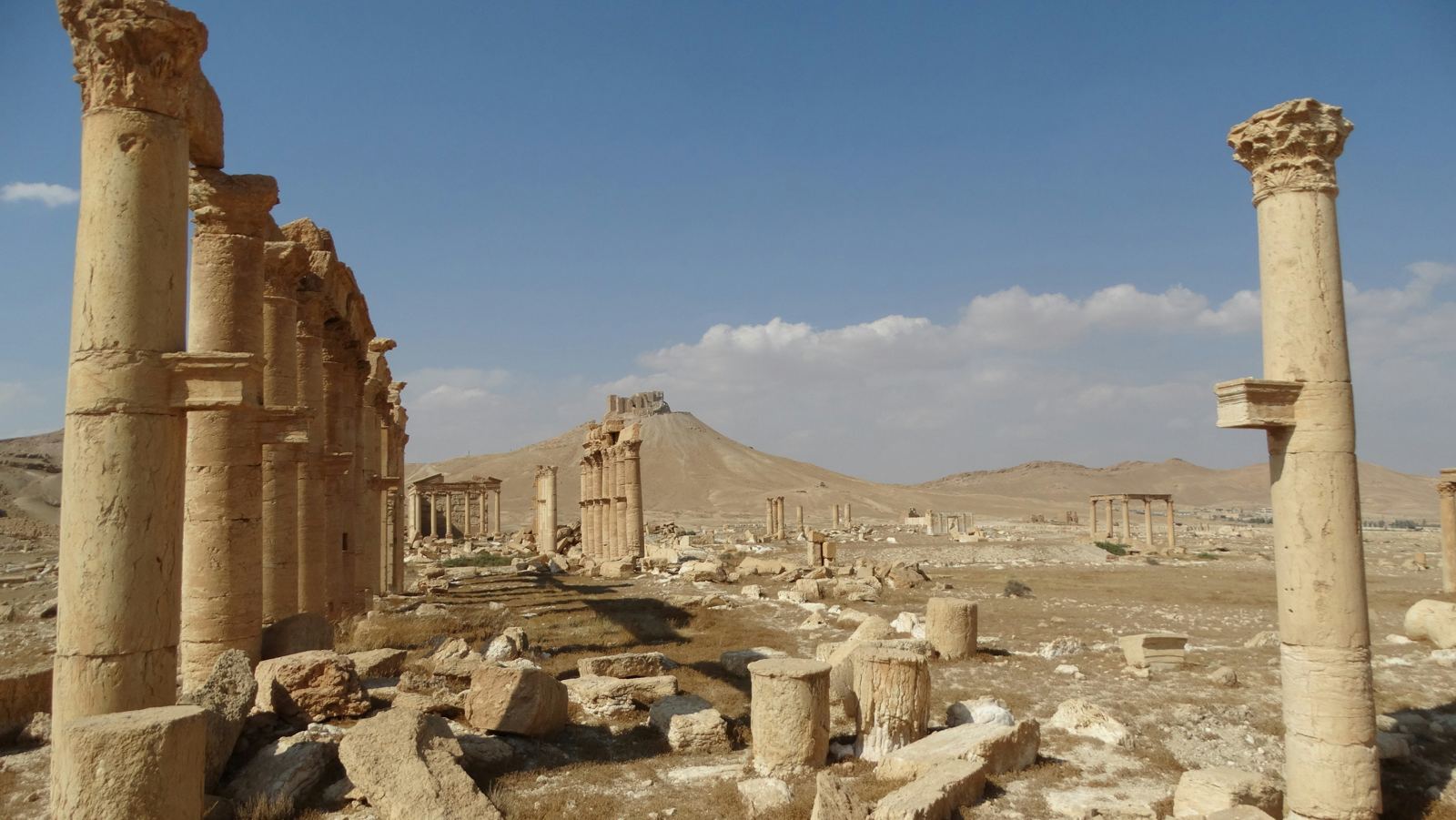
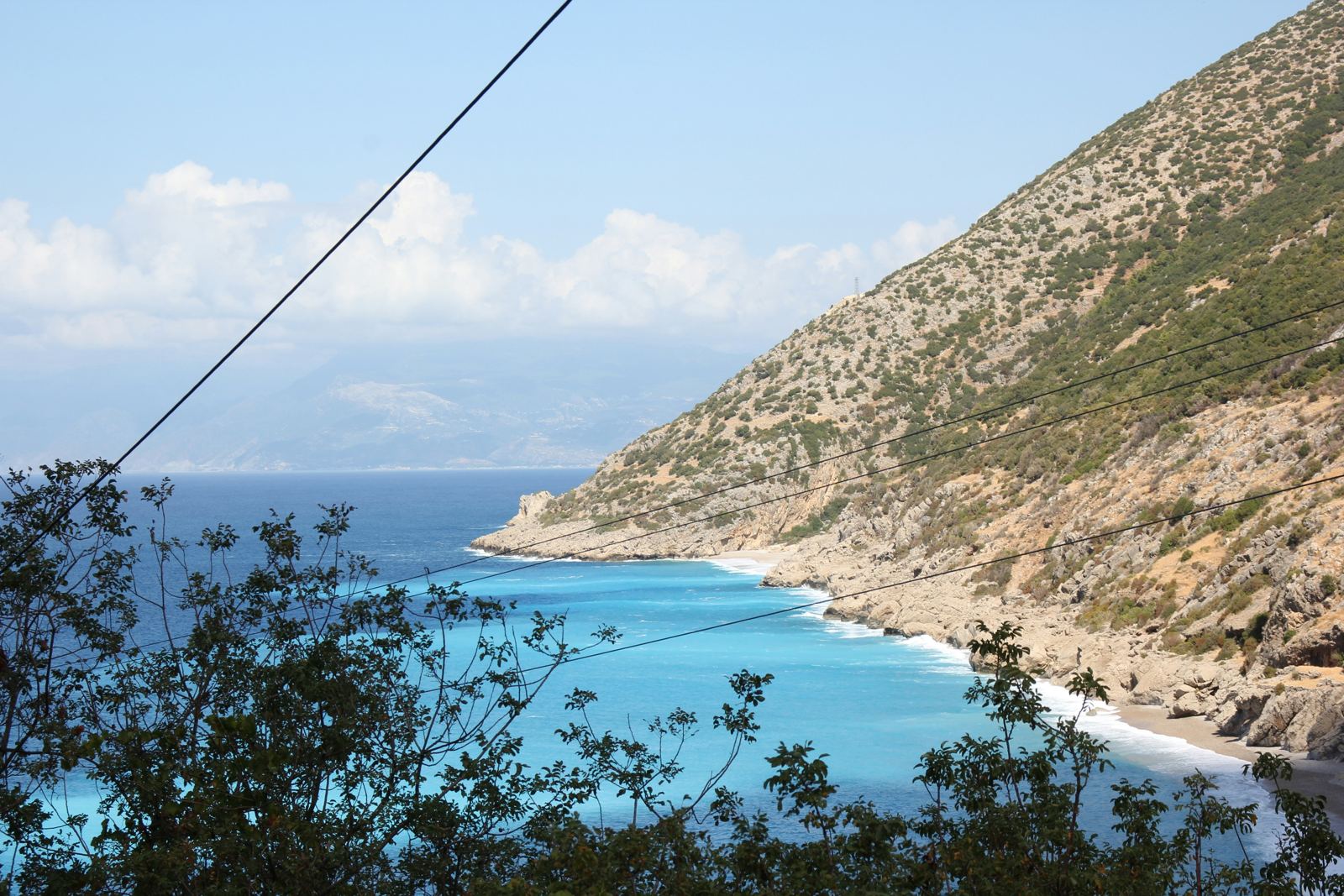
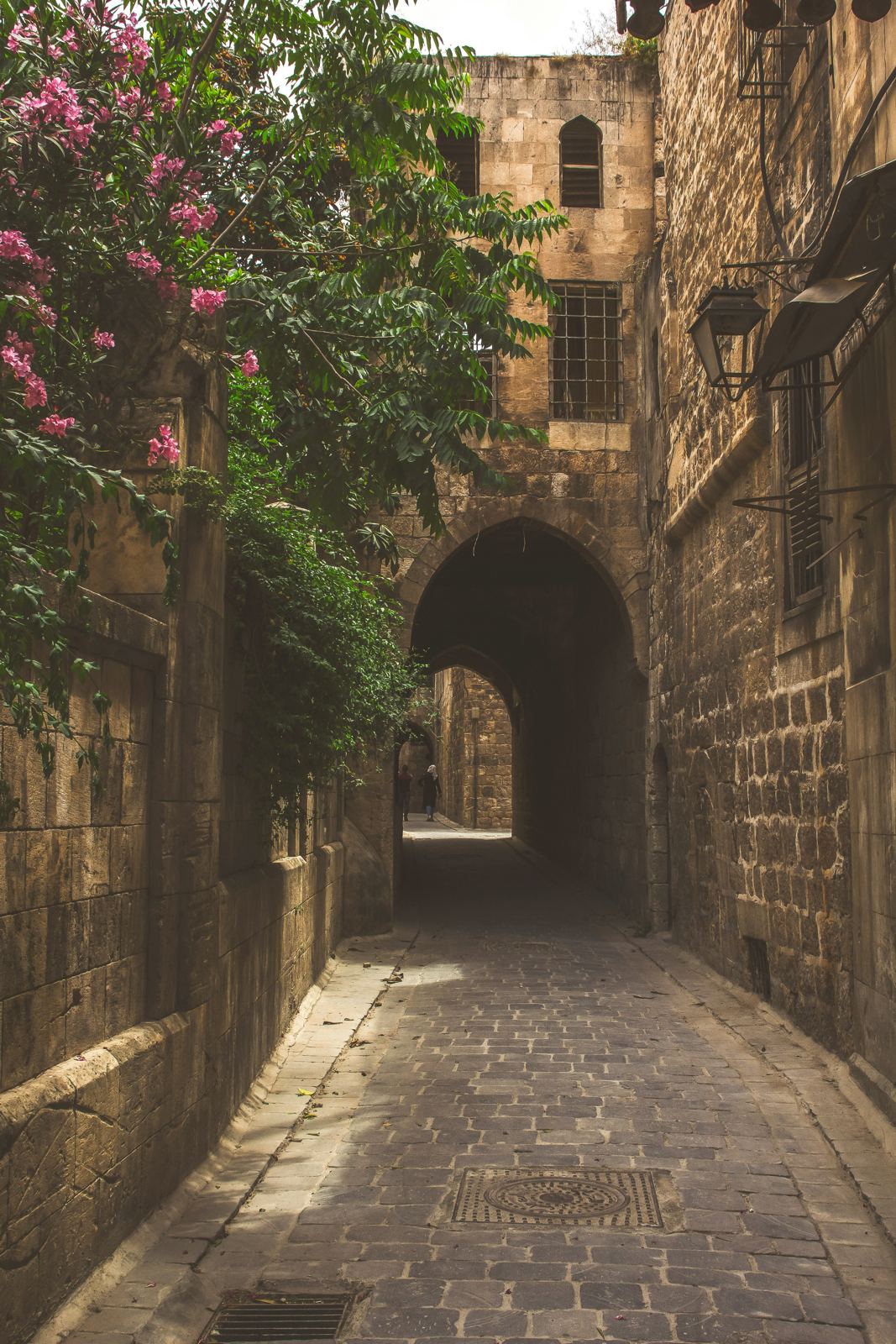
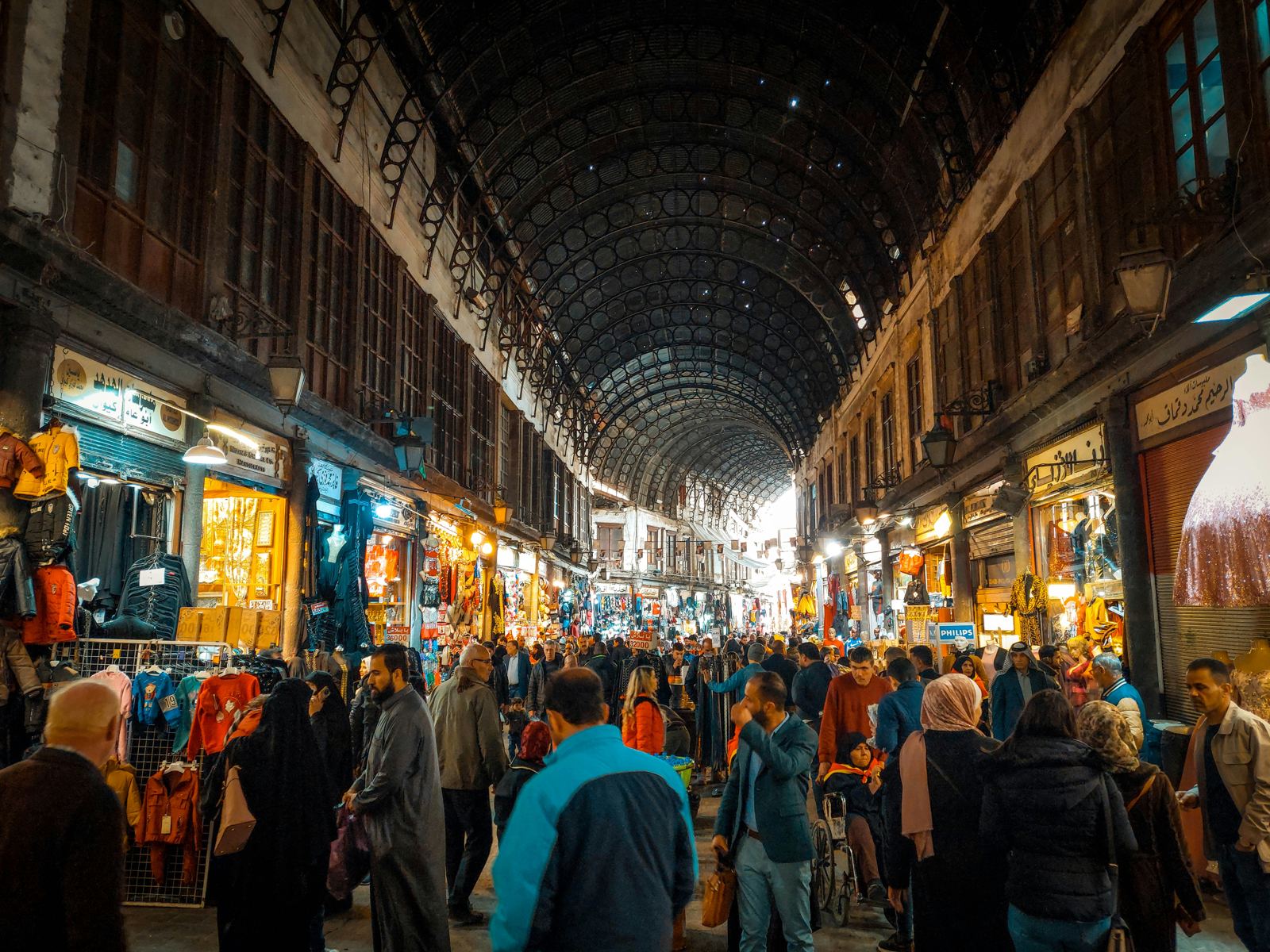
Newly emerging from war — historically the heart of Islamic civilization, now in a fragile, hopeful, very early reconstruction.
Photographs from Unsplash, used under the Unsplash License.
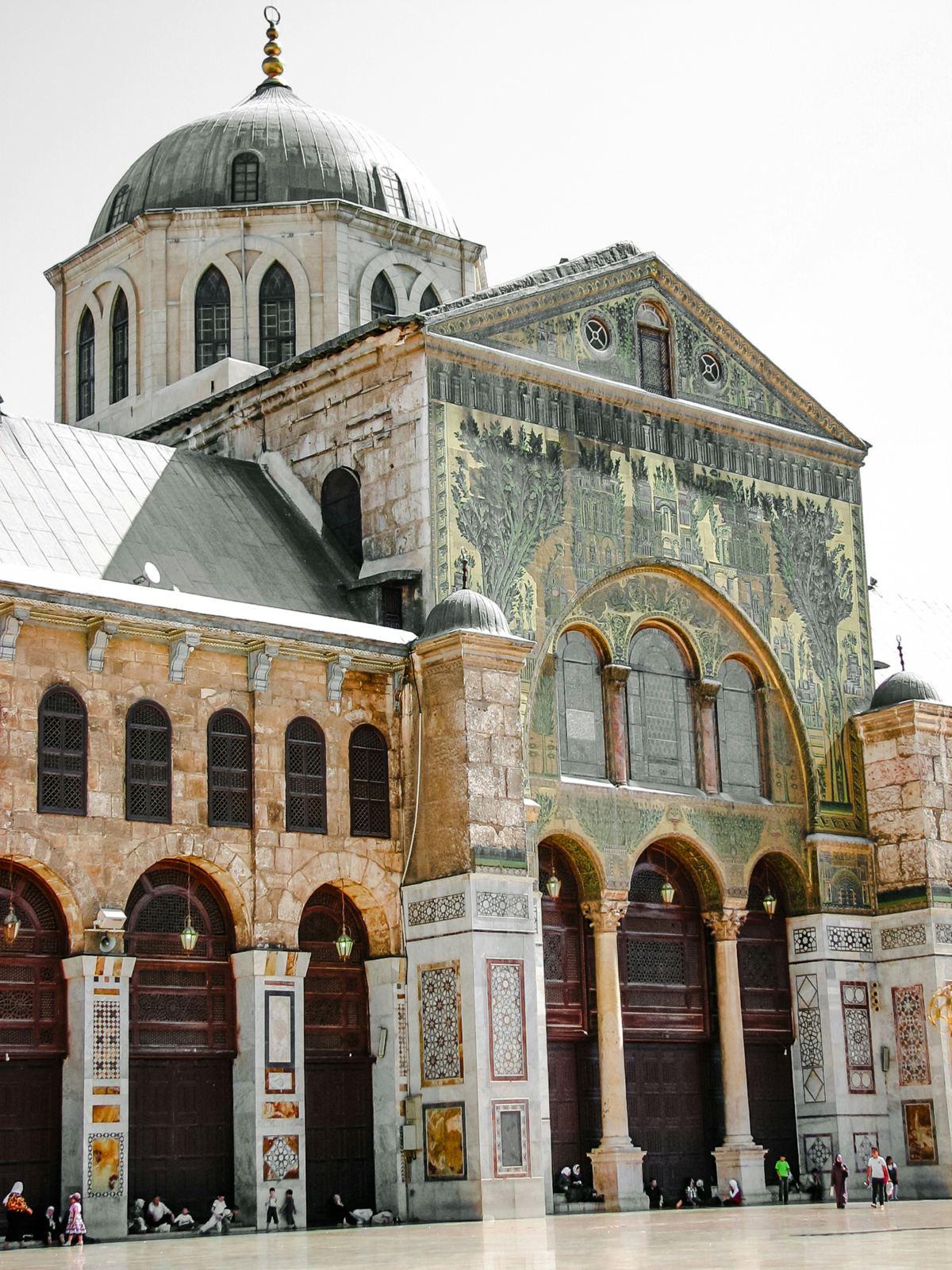
One of the historical hearts of Islamic civilization. Damascus is among the oldest continuously inhabited cities and home to the Umayyad Mosque — one of the holiest sites in Sunni Islam, traditionally said to contain the head of Yahya (John the Baptist), peace be upon him, and historically a center of the Umayyad caliphate.
Syria is ~74% Sunni Muslim (Shafi'i and Hanafi predominant), with significant Alawi, Druze, Christian, and Ismaili minorities. Religious scholarship in Damascus and Aleppo dates back over a millennium — countless great scholars (Ibn Taymiyya, Ibn Kathir, al-Nawawi, al-Albani) lived and taught here.
Following the December 2024 collapse of the Assad regime, a transitional government under President Ahmed al-Sharaa governs under a March 2025 constitutional declaration (a five-year transition, with Islamic jurisprudence named the main source of legislation). Religious life is being publicly re-embraced. However, the security and governance situation remains in transition, and there have been serious outbreaks of sectarian violence (the coast in March 2025, Suwayda in July 2025).
As of autumn 2026 the US State Department (Level 4 — Do Not Travel) and UK FCDO still advise against all travel to Syria, citing terrorism, unpredictable security and regional (US–Iran) tensions. There is no US or UK consular service inside Syria, and travel insurance is usually void against this advice. Do not relocate without first visiting and verifying conditions yourself.
Track the legal situation through Syrian consular services and reputable diaspora networks before committing.
Syrian citizenship law is currently being rebuilt under the transitional government. Pre-2024 law followed paternal descent (Syrian fathers) for automatic citizenship, with limited naturalization for long-term residents and discretionary cases.
For diaspora Syrians (and their children), reclaiming or confirming citizenship through documentation of family ties is becoming progressively easier as the transitional government rebuilds records. This is the most realistic path for those of Syrian heritage.
For non-Syrians, naturalization frameworks remain unclear during the transition and are best treated as unavailable for now. The main nationality change so far is Decree No. 13 of January 2026, which restores citizenship to stateless Kurds affected by the 1962 Hasakah census — it does not open a path for foreigners. The honest expectation: for now, only those with Syrian family ties or marriage to Syrian citizens have a realistic citizenship path.
Tax framework being rebuilt under the transitional government — the figures below are from the 2025 income-tax reform drafted for a 2026 rollout; confirm what is actually in force before relying on them.
| Tax | Rate (2026 reform) |
|---|---|
| Personal Income Tax | 0% up to ~SYP 60M old (~$5,000)/yr; then flat 6% – 8% (replaces pre-war 5% – 22%) |
| Corporate Tax | 10% (priority sectors) / 15% (others) |
| VAT | None; a sales-tax law (5% general rate, higher on luxuries) has been proposed |
Western sanctions were largely lifted in 2025–26 (EU and UK economic sanctions in 2025, the US Caesar Act repealed December 2025, the US terrorism-sponsor listing rescinded August 2026). Visa and Mastercard began processing in Syria in 2026, but correspondent banking is still being rebuilt and cash remains king.
Damascus airport (DAM) has reopened to around 16 airlines (Turkish/AJet, Qatar Airways, Etihad, flydubai, Air Arabia, flynas, Royal Jordanian, Syrian Air, Fly Cham and others), plus some charter services to Germany and Europe. Most Western travelers route through Istanbul or the Gulf. EASA still rates Syrian airspace high-risk, and regional tensions can cause cancellations.
| From | Typical Routing | Estimated Cost |
|---|---|---|
| New York | JFK → IST → DAM | $800 – $1,200 |
| London | LHR → IST → DAM | $400 – $700 |
| Frankfurt | FRA → IST → DAM | $350 – $600 |
Land routes through Türkiye, Jordan and Lebanon are also used.
Property prices collapsed during the war; many properties were destroyed, and ownership records in some areas are contested or unclear. Since 2025, returnee demand has pushed prices and rents in intact central Damascus sharply upward. Foreigners legally resident in Syria may buy a home with Interior Ministry approval (Law 11 of 2011, amended 2021); purchases in border and coastal zones are restricted.
Many Syrian properties have unresolved ownership disputes — displaced original owners may have legitimate claims. Buying property without thorough title research and consultation with Syrian legal experts (and respect for the rights of displaced owners) is both legally and ethically perilous. The HLP (Housing, Land and Property) framework is being rebuilt.
| Property | Damascus | Aleppo | Latakia / Coast |
|---|---|---|---|
| 2BR Apartment (intact, central) | $80K – $250K+ | $25K – $80K | $30K – $100K |
| House | $100K – $400K+ | $40K – $200K | $50K – $250K |
| 2BR Rent / month | $300 – $900 | $100 – $300 | $120 – $400 |
USD pricing dominates; the pound lost two zeros in January 2026 (100 old = 1 new SYP; ~120–130 new SYP per USD in mid-2026). Prices vary dramatically by neighborhood depending on war damage.
Where you settle within a country matters as much as the country itself. Each city has its own pace, religious texture, expat density, and cost.
The capital — one of the oldest continuously inhabited cities. Umayyad Mosque, old city, Islamic scholarship tradition. Functioning, recovering.
Historic commercial and trading capital, suffered massive war damage. Old city UNESCO-listed; reconstruction underway. Deeply Islamic heritage.
Mediterranean coast, mixed Alawi-Sunni-Christian population, milder climate, less war damage.
Central Syria, near key sites. Significant war damage, slow reconstruction, traditional Sunni majority.
The websites Muslims and locals actually use to buy, rent, and browse. Beware foreigner-targeted brokerages — local-language portals usually show truer market prices.
Syrian commercial law and business registration are being reformed under the transitional government. Most Western sanctions were lifted in 2025–26, but international banking ties are still being rebuilt and compliance checks remain slow.
Much Syrian business activity by diaspora and foreign investors is still informal or via Syrian partners. Frameworks are clarifying but remain young.
The Syrian economy was devastated by nearly 14 years of war (2011–2024). Reconstruction is the dominant emerging sector.
Currently makes sense only for: (a) those with Syrian heritage/family ties wanting to contribute to rebuilding, (b) Islamic studies students, (c) humanitarian workers.
English is limited. Arabic is essential — both standard and Syrian dialect (Shami). Some educated older professionals speak French; the younger generation increasingly studies English but practical fluency outside Damascus elite circles is uncommon.
For Arabic learners, Damascus historically had some of the world's best classical Arabic and Islamic studies institutions, some of which are reactivating.
The education system suffered enormously during the war and is being rebuilt.
Universities: Damascus University, Aleppo University — recovering capacity, primarily Arabic-language. Best for Islamic studies and Arabic immersion.
Syrian cuisine is among the most sophisticated in the Arab world — centuries of prosperous trading-city life translated into a kitchen tradition of extraordinary depth. Damascus and Aleppo maintain distinct culinary identities and both cities are serious about their food in the way Lyonnais and Bolognese are serious about theirs. Halal is universal and the cuisine needs no accommodations.
Syrian hospitality is insistent and genuine — to refuse food is to wound the host. A full restaurant meal in Damascus or Aleppo runs $5–15; street food costs $1–4. Halal is universal. The revival of Damascus and Aleppo's restaurant scenes after years of conflict is underway — slowly, unevenly, with genuine momentum.
Aleppo is the undisputed food capital — its cuisine has more complexity and depth than Damascus; the city's name is already embedded in the world's culinary vocabulary through Aleppo pepper.
Compare it side-by-side with other destinations, or read about a different country before deciding.