— A glimpse of Türkiye —
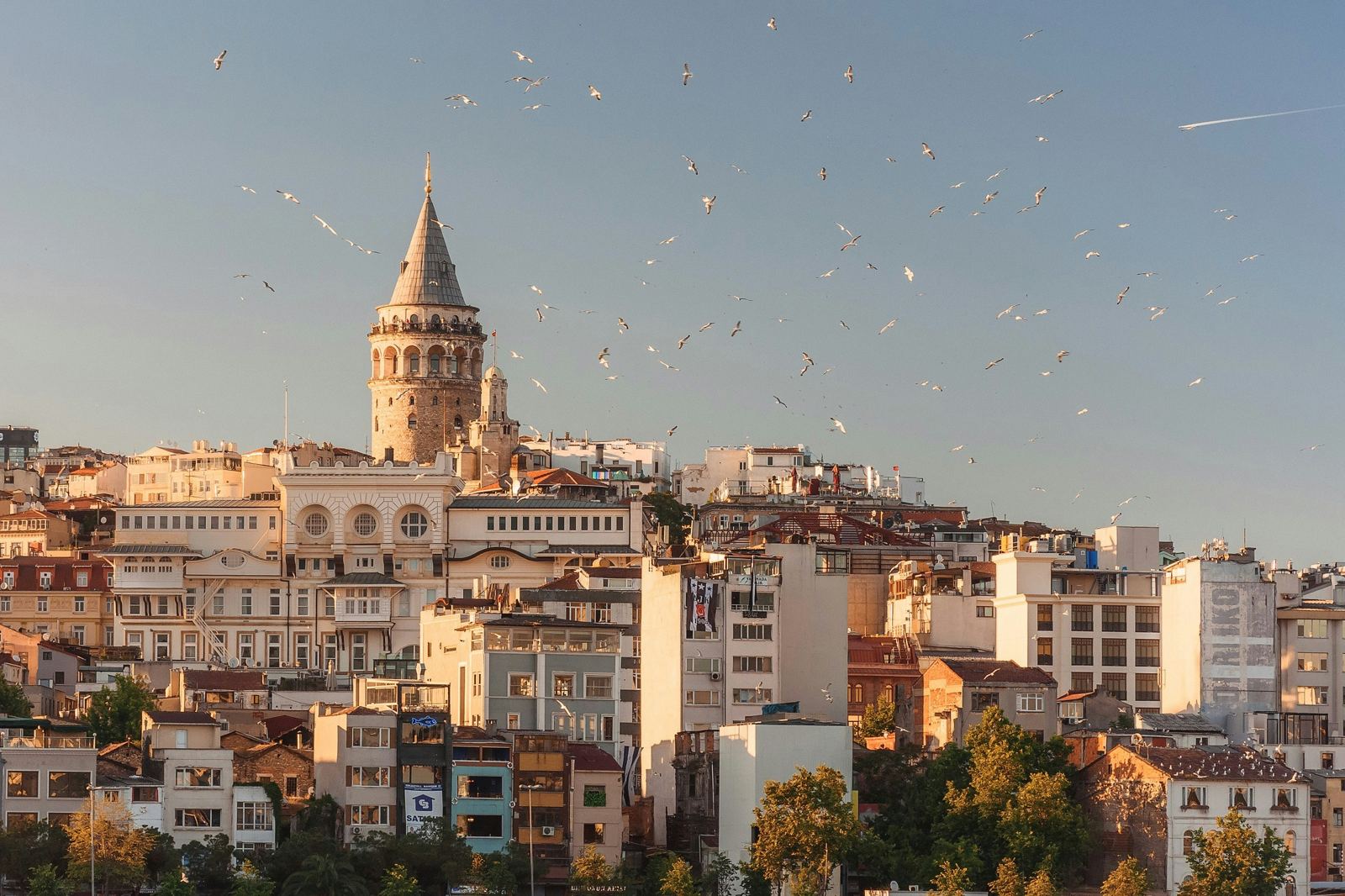
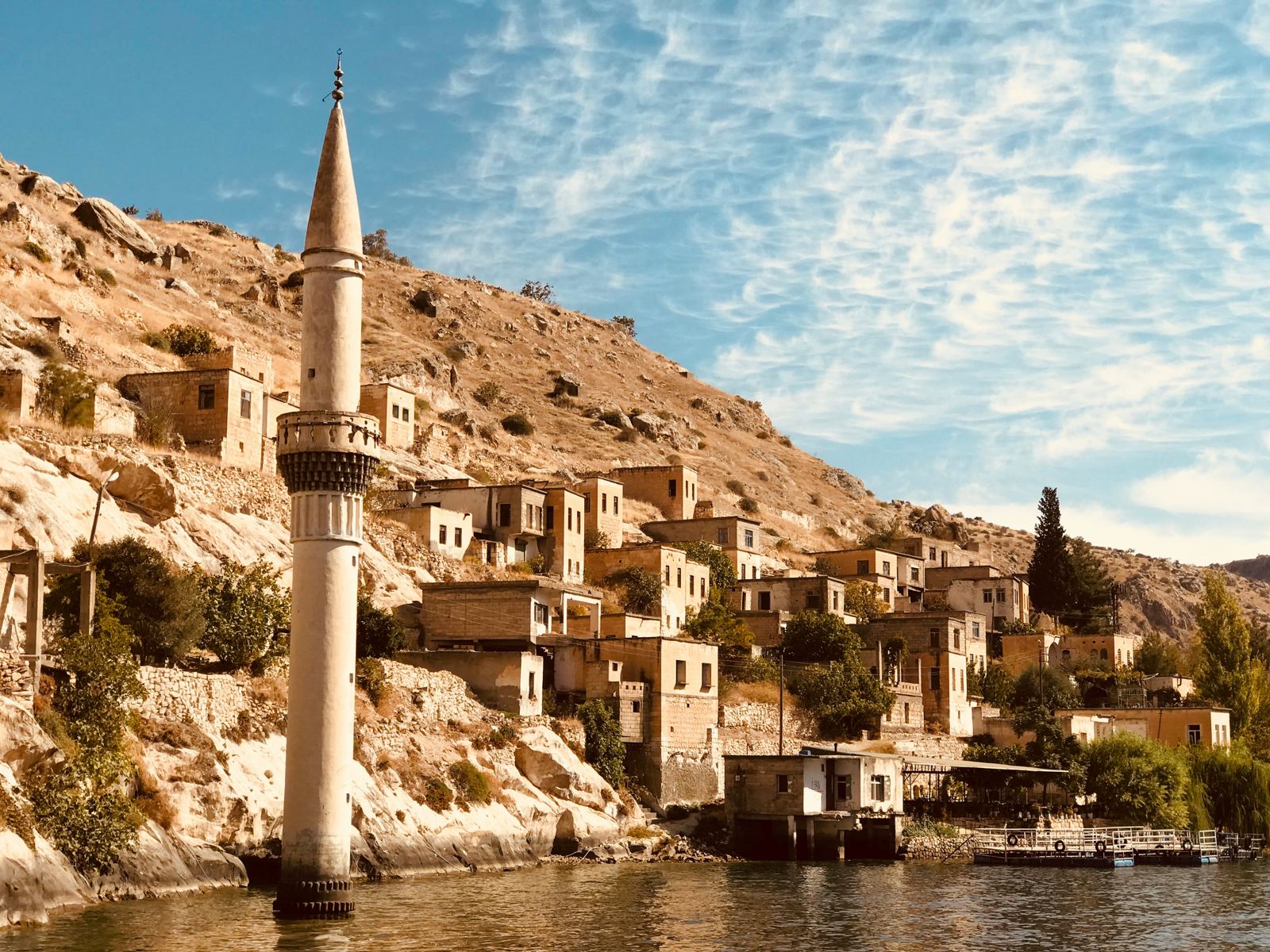
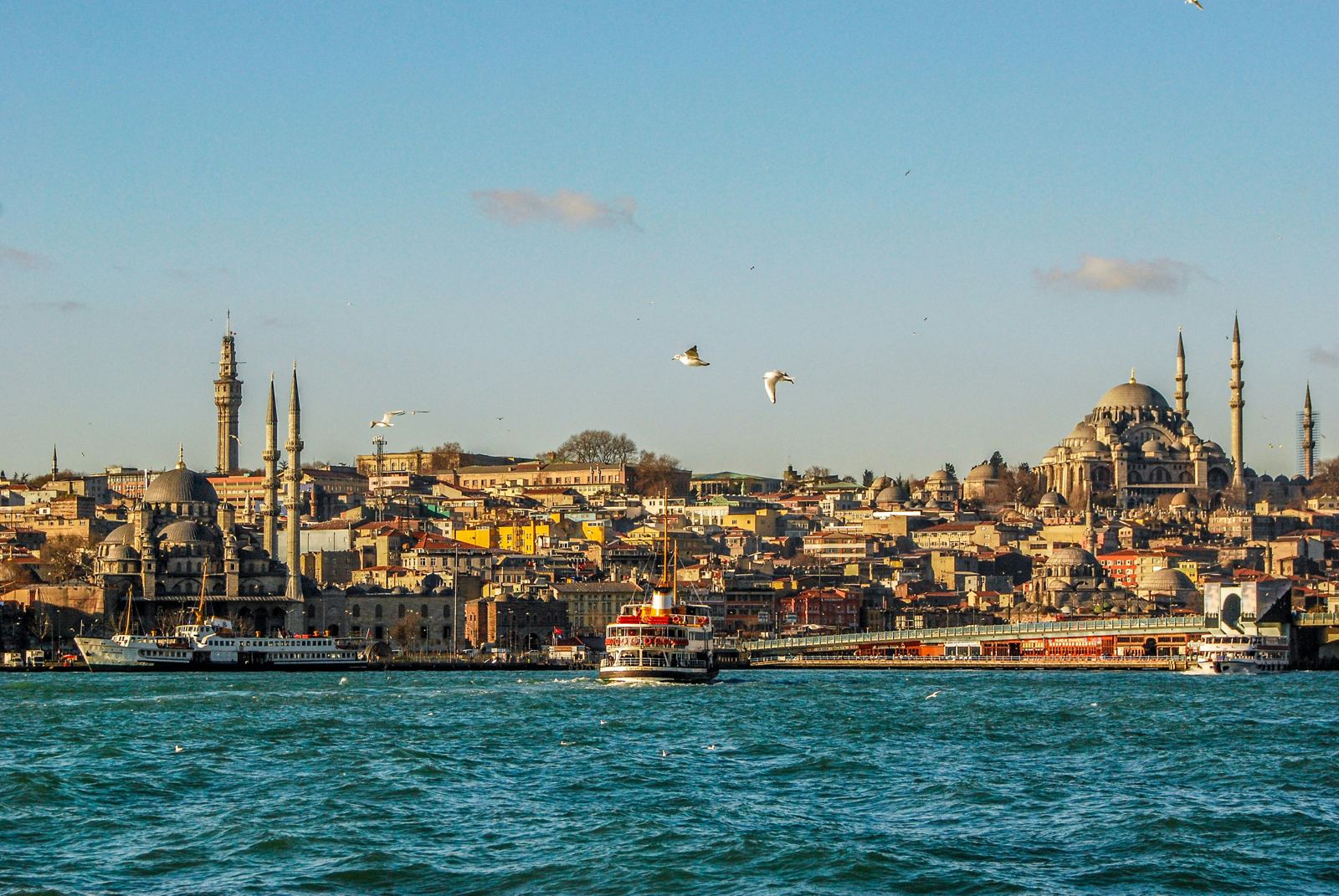
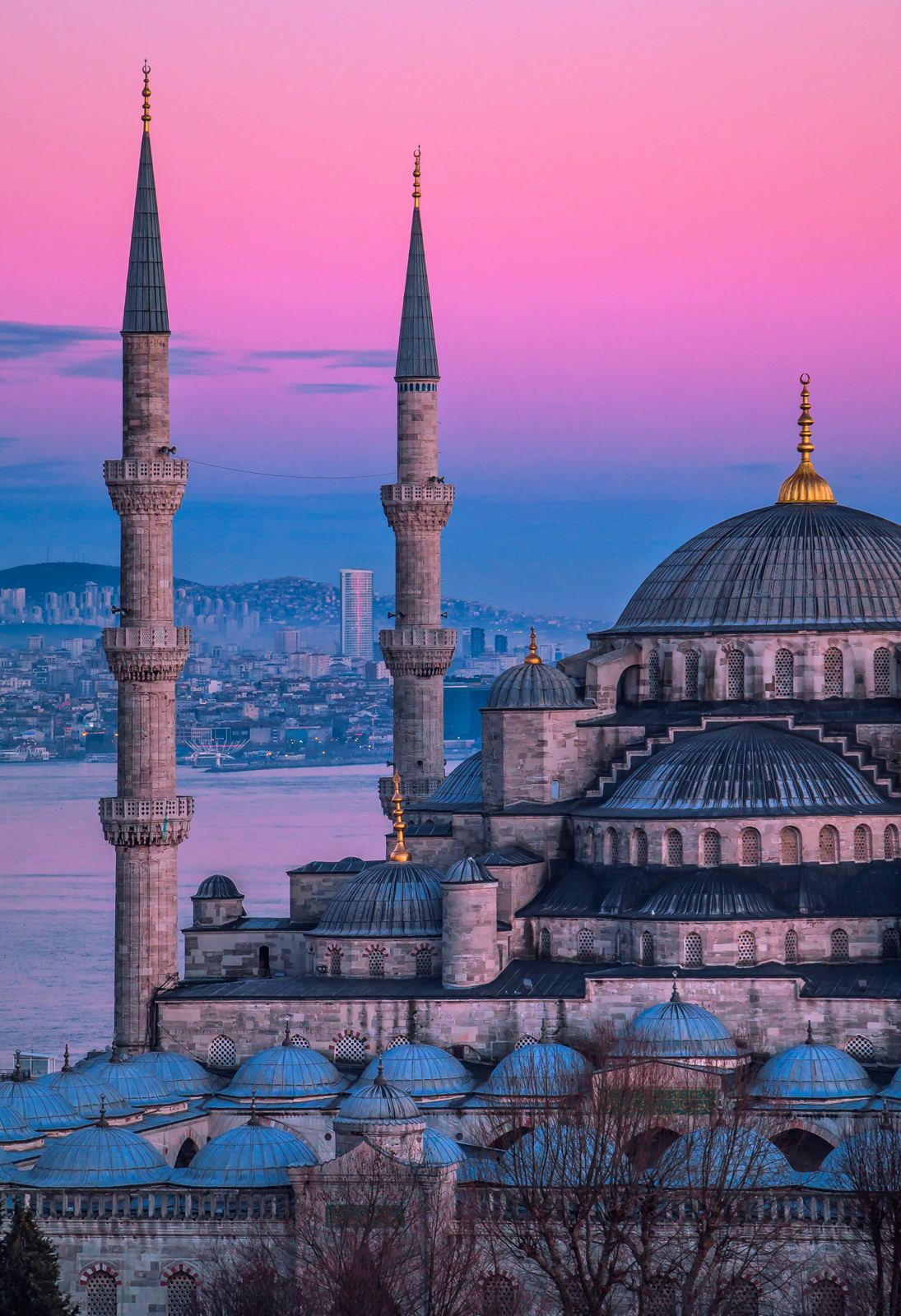
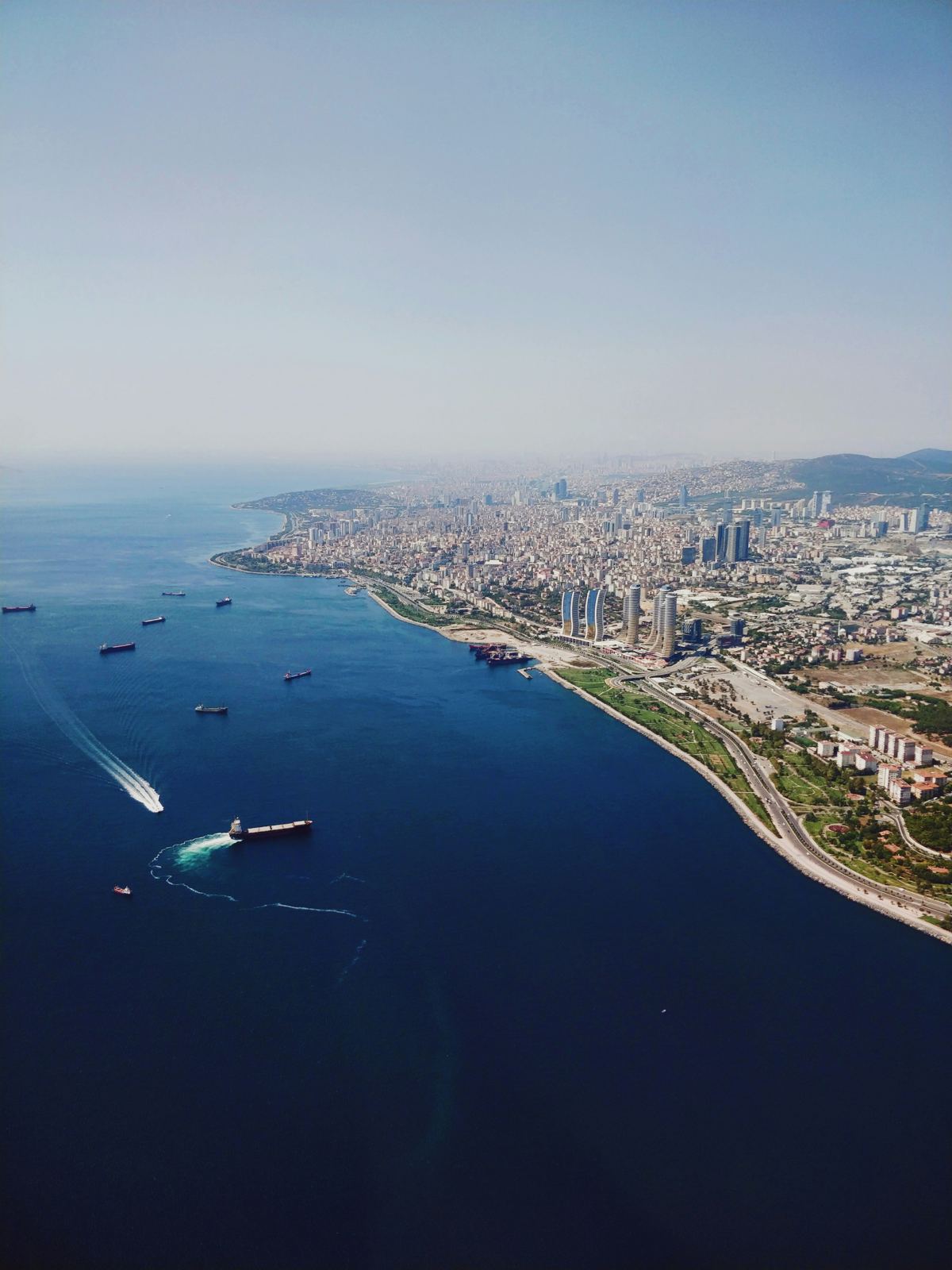
Photographs from Unsplash, used under the Unsplash License.
Where Ottoman heritage, European geography, and Islamic life coexist — and where citizenship is genuinely attainable.
Photographs from Unsplash, used under the Unsplash License.
Visibly and culturally Muslim within a constitutionally secular state. Adhan from thousands of Ottoman mosques shapes the soundscape. Halal default; Ramadan publicly observed.
Hijab — once restricted in public institutions — is now fully accepted including universities and military since the 2010s reforms. Religious freedom is broad; the Diyanet administers mosques and Friday khutbahs.
Turkey is overwhelmingly Sunni Hanafi; significant Alevi minority. Religious practice runs from highly observant to nominally Muslim — society is genuinely pluralistic.
One of the most accessible visa regimes for Muslims considering Hijra.
Turkish passport offers visa-free access to 110+ countries.
Turkey runs one of the world's most accessible Citizenship by Investment programs. The standard route: purchase property worth at least $400,000 (held for 3 years) and the entire family — spouse and children under 18 — receives Turkish citizenship, typically within 6–12 months.
Alternative qualifying routes include $500K bank deposit (3-year hold), $500K government bonds, $500K business investment, or hiring 50+ Turkish employees. Each leads to citizenship (investments must be held for 3 years) — you don't have to choose property.
Turkey also allows dual citizenship, so you do not need to renounce your existing nationality. The Turkish passport offers visa-free or visa-on-arrival access to 110+ countries. This is the single most realistic citizenship pathway among Muslim-majority countries.
| Tax | Rate |
|---|---|
| Personal Income Tax | 15% – 40% progressive |
| Corporate | 25% |
| VAT (KDV) | 1% / 10% / 20% |
| Capital Gains on Property (held >5 years) | 0% |
Tax residency: 183+ days. Double-taxation treaties with US, UK, Germany, and most major jurisdictions.
| From | Round-Trip Economy (avg) | Flight Time |
|---|---|---|
| New York (JFK) | $600 – $900 | ~10h direct (Turkish Airlines) |
| London | $200 – $350 | ~4h direct (TK, BA, Pegasus) |
| Frankfurt | $150 – $280 | ~3h direct (multiple carriers) |
Turkish Airlines flies to more countries than any other carrier. Istanbul Airport among the world's busiest. Domestic flights cheap (~$30–60).
Foreigners can buy property in most areas (military zones restricted). Lira volatility means USD/EUR-priced properties common in tourist/expat zones.
| Property | Istanbul | Ankara | Izmir / Antalya / Bursa |
|---|---|---|---|
| 2BR Apartment | $120K – $300K | $70K – $180K | $80K – $250K |
| House / Villa | $200K – $1M+ | $150K – $500K | $150K – $600K |
| 2BR Rent / month | $500 – $1,500 | $300 – $800 | $350 – $1,200 |
| Land (rural, per dönüm) | $5K – $50K | $3K – $30K | $5K – $80K |
Beware property over-pricing for foreigners — get independent valuation. CBI properties require SPK-licensed appraisers.
Where you settle within a country matters as much as the country itself. Each city has its own pace, religious texture, expat density, and cost.
Where Europe and Asia meet. Vast (15M+ residents), historic, dynamic, cosmopolitan. Most Arab and Muslim expats land here.
The capital. Government, universities, calmer than Istanbul, more conservative, lower prices.
Ottoman first capital, near Istanbul, mountainous, traditional, growing manufacturing base, good for families.
Aegean coast. Liberal, beach-oriented, beautiful weather, less religious feel.
Mediterranean coast. Mild winters, tourism-driven, large Russian/Arab expat scene, beach lifestyle.
Heart of Anatolian conservatism. Rumi's burial place. Religious, traditional, affordable.
The websites Muslims and locals actually use to buy, rent, and browse. Beware foreigner-targeted brokerages — local-language portals usually show truer market prices.
Accountant required (mali müşavir) — budget $200–500/month. Banking accessible with residence permit.
Remote workers from US/EU thrive — strong cost-of-living arbitrage, excellent infrastructure.
English exists in Istanbul's tourism zones, business districts, among young professionals — but Turkish is essential for daily life outside these enclaves. Government, hospitals, banks, neighborhood shops all operate in Turkish.
Younger generations speak more English. Outside Istanbul, English drops sharply. Learning Turkish (Latin alphabet, logical grammar) is the single biggest determinant of integration.
| School Type | Typical Fees (annual) |
|---|---|
| British schools (BISI and others) | $20,000 – $50,000 |
| American schools (Robert College, Üsküdar American, ACI) | $15,000 – $40,000 |
| IB schools | $10,000 – $35,000 |
| İmam Hatip (state Islamic schools) | Free |
| Private Turkish schools | $5,000 – $20,000 |
| Arabic-language schools (for Syrian/Arab expats) | $1,500 – $6,000 |
Universities: Boğaziçi, METU, Istanbul Technical, Koç, Sabancı — multiple internationally ranked. Many engineering/medical programs in English.
Turkish cuisine is a long conversation between the Ottoman court and the village hearth — mezze before mains, charcoal grilling everywhere, breakfast treated as ceremony. Halal is the default, not a special accommodation.
Street food is everywhere and cheap (₺250–500, roughly $5–10, for a full meal). Halal is universal — no labels needed. Tea (çay) is offered before every conversation; Turkish coffee is its older, thicker cousin.
Don't miss Gaziantep for the world's best baklava and kebabs, İzmir for Aegean seafood and olive oil cuisine, and Adana for fiery spiced grills. Istanbul does everything but rarely the best version of any one thing.
Compare it side-by-side with other destinations, or read about a different country before deciding.